When it comes to the medical screening process for people going to Gulf Cooperation Council (GCC) nations for work or residence, GAMCA has been crucial. The system has changed over time from a centralised physician referral process to a more technologically advanced method of screening foreign nationals for health issues.
Applicants can better comprehend why medical examinations are necessary and how the procedure has evolved over time by learning about GAMCA’s past.
How Did the GAMCA Medical System Begin?
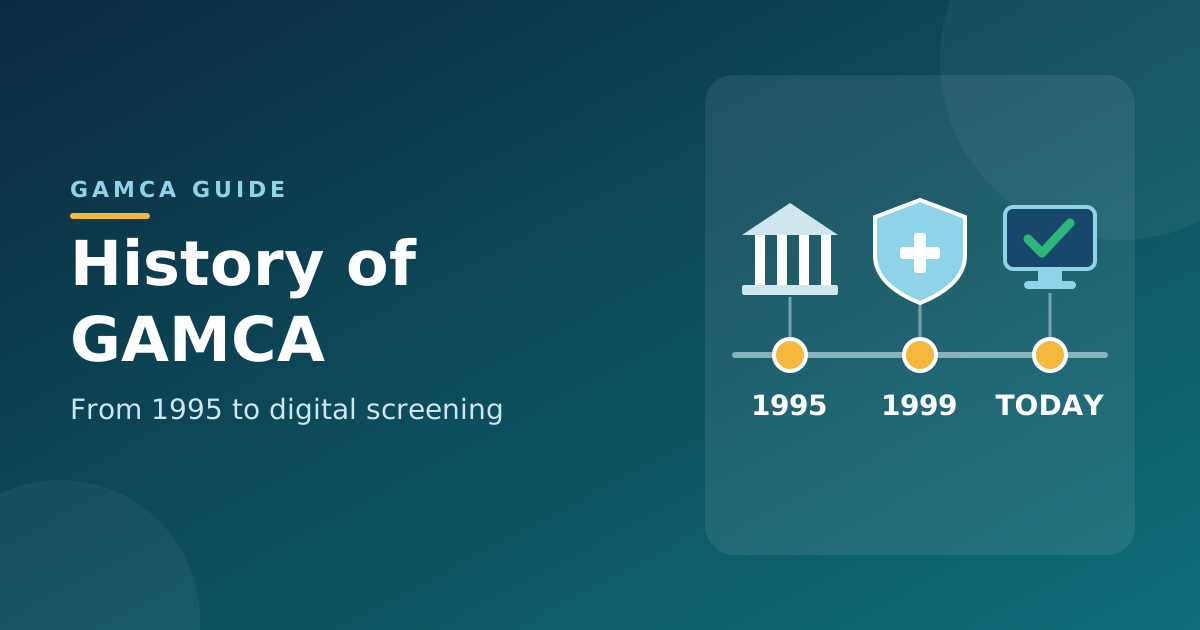
In the Gulf region, medical screening for expatriates started in January 1995. The GCC Health Ministers’ Council voted to create a medical examination program for foreigners entering GCC nations during its 38th meeting.
The main goal was to safeguard public health by making sure that people visiting the Gulf were in good health and free of specific infectious diseases.
The GCC countries realised the significance of upholding uniform medical screening norms across national borders as international recruitment grew.
Establishment of GAMCA in 1999
The Gulf Approved Medical Centers Association, or GAMCA, was founded as part of the initiatives to plan and manage medical exams for visitors visiting GCC states.
As instructed by the GCC Health Ministers’ Council Executive Board, the organisation was founded in 1999.
Coordinating medical facilities, upholding screening standards, and assisting with the referral process for job seekers in Gulf nations were among its core duties.
A more structured approach to pre-employment medical exams was made possible by the system.
Why Was a Centralised Medical System Necessary?
Before centralised medical screening became established, differences in medical examination procedures and documentation created challenges for applicants and authorities.
A coordinated system helped address several concerns:
- Maintaining consistent medical examination standards.
- Reducing the possibility of fraudulent medical certificates.
- Ensuring applicants underwent examinations at approved medical centres.
- Supporting the verification of medical fitness reports.
- Protecting the health and safety of GCC residents.
These measures helped strengthen the relationship between medical screening and the overseas employment process.
The Transition Towards Digital Medical Screening
As technology developed, the traditional medical referral process gradually moved towards electronic registration and appointment management.
The GCC Health Council introduced a more integrated digital approach to expatriate medical examinations. The transition made it possible to manage applicant information, appointment bookings and medical records electronically.
The electronic system also improved communication between medical centres and the relevant authorities.
Applicants could increasingly complete important registration steps online rather than depending entirely on manual processes.
GAMCA Medical Today
Today, the GAMCA medical examination process is an important part of the employment and residence visa journey for many individuals travelling to Saudi Arabia, Kuwait, Qatar, Oman, Bahrain and the United Arab Emirates.
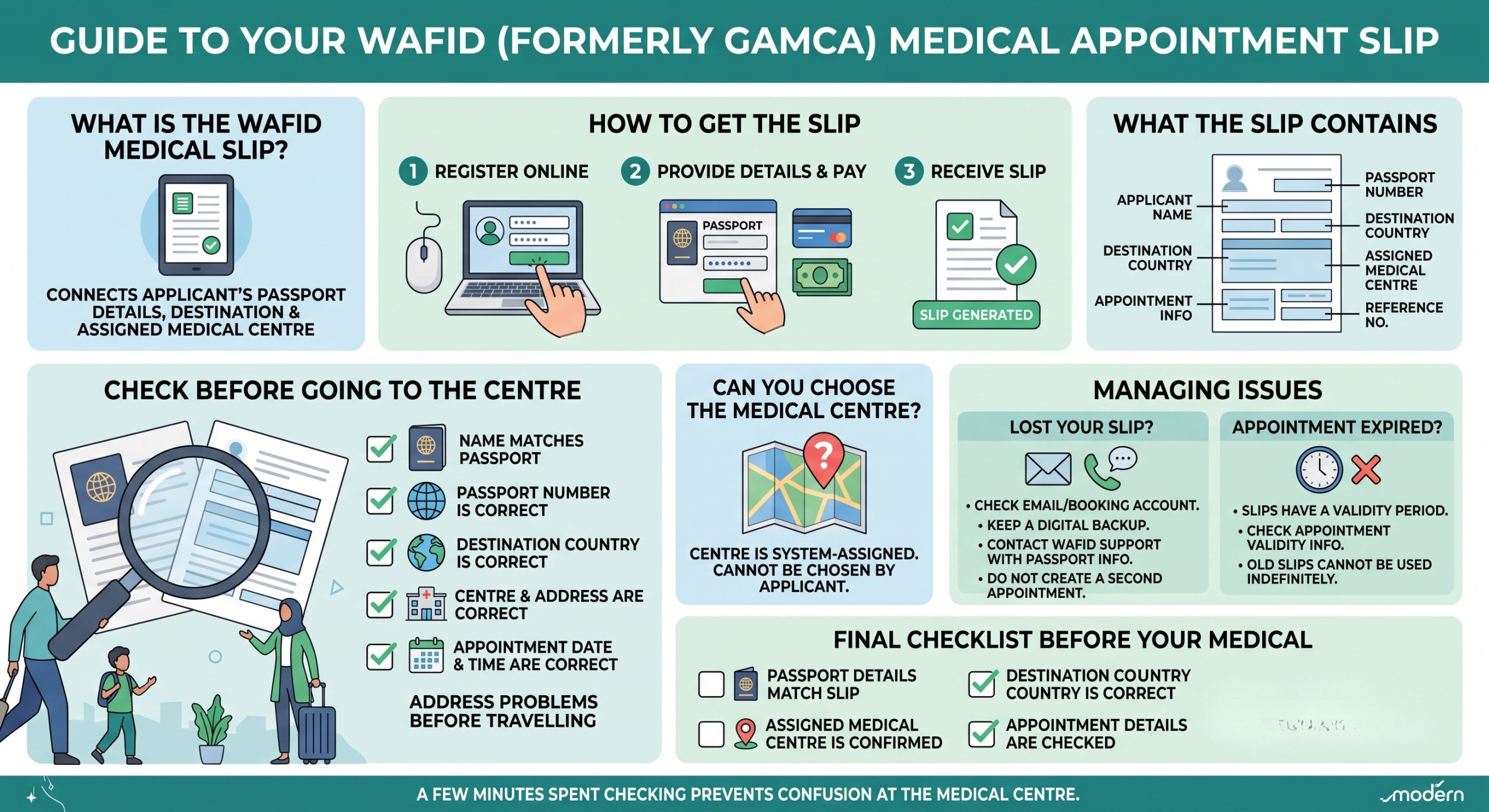
Applicants generally need to complete an online appointment registration, visit their assigned medical centre and undergo the required medical examinations.
The medical screening may include:
- Physical examination.
- Blood tests.
- Urine examination.
- Chest X-ray.
- Additional investigations when required.
The exact examination requirements depend on the applicable medical regulations and the applicant’s circumstances.
Why Is GAMCA Medical Still Important?
Medical screening serves an important purpose for both applicants and destination countries. It helps assess whether individuals meet the applicable health requirements before travelling for employment or residence.
For applicants, completing the medical examination correctly can help avoid unnecessary delays during the visa process.
It is therefore important to enter accurate passport information, attend the assigned medical centre and follow the instructions provided during registration.
Conclusion
The development of medical screening for foreign visitors to GCC nations is reflected in the history of GAMCA. What started out as a coordinated strategy to safeguard public health eventually evolved into a more methodical and technologically advanced medical evaluation procedure.
Applicants can better comprehend the significance of completing their GAMCA medical examination through the proper channels and adhering to the necessary processes by being aware of this development.