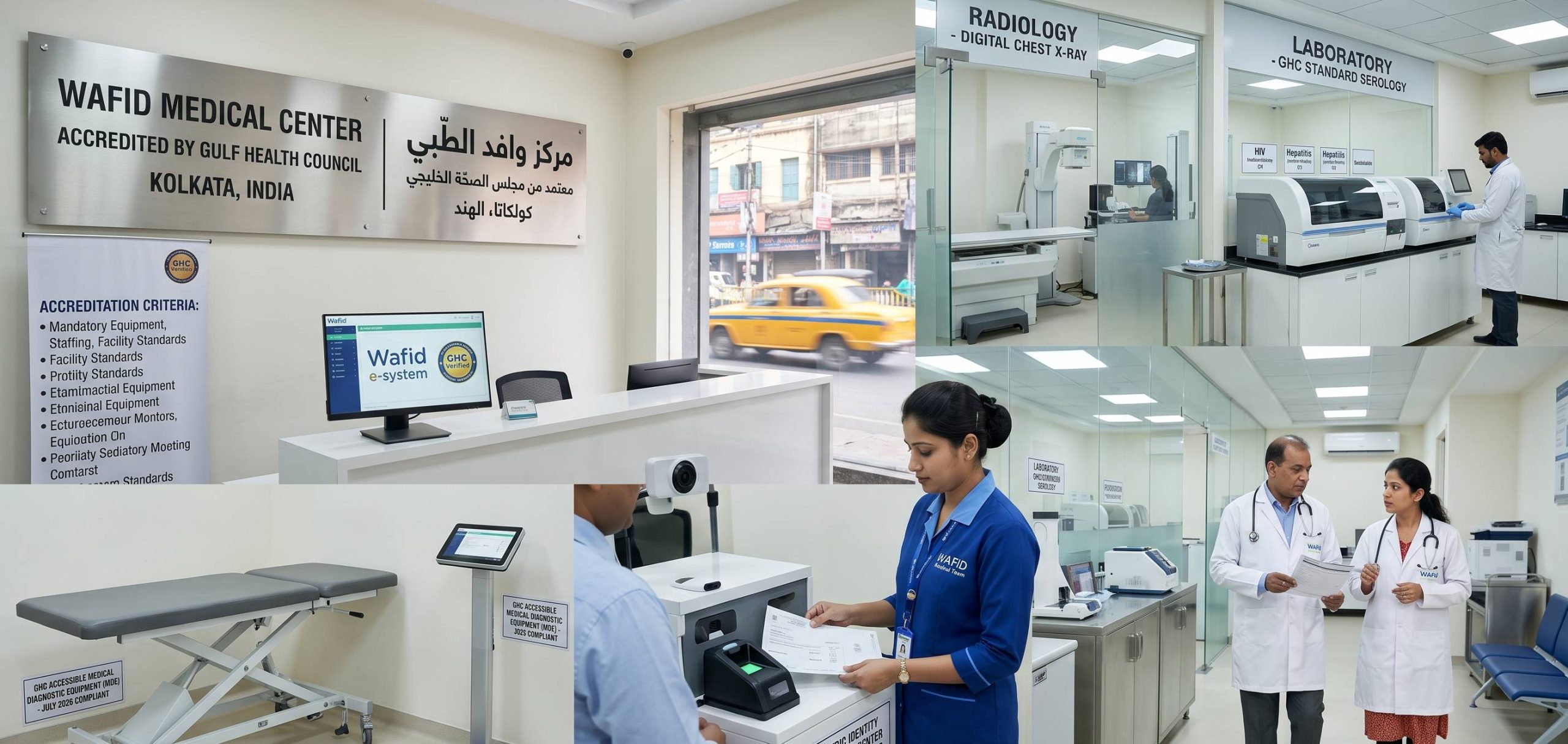
Wafid, now commonly associated with the Wafid medical examination system, is an important health screening process for individuals seeking employment or residency in GCC countries. The examination assesses various aspects of an applicant’s health to determine whether they meet the applicable medical fitness requirements. While having a chronic health condition does not automatically mean an applicant will be declared medically unfit, certain long-term conditions may require additional evaluation or affect the final medical assessment.
Diabetes and Blood Sugar Disorders
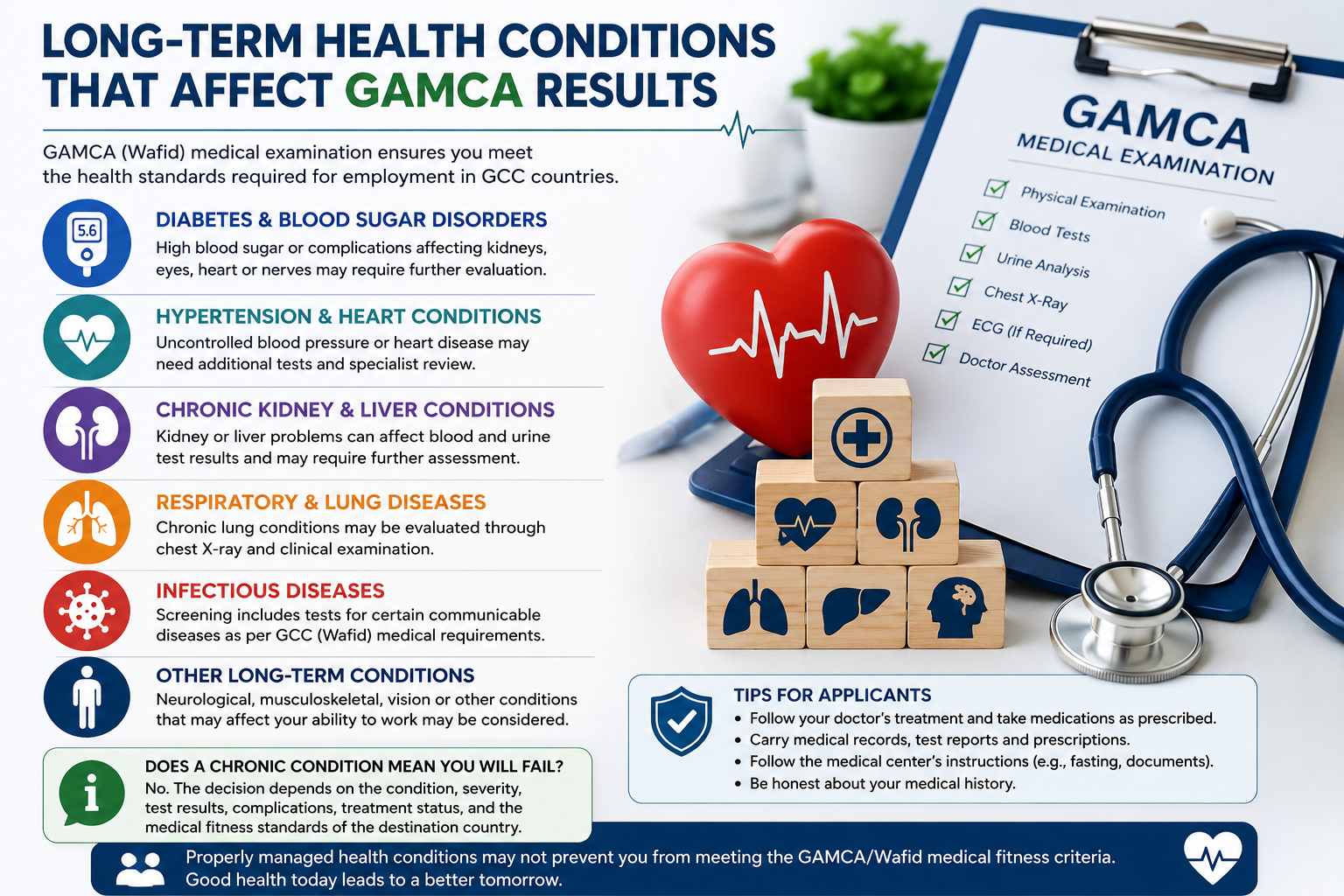
Diabetes is one of the conditions that may receive attention during medical screening. Blood glucose levels can indicate whether diabetes is well controlled or requires further medical evaluation. Persistently high blood sugar may also be associated with complications involving the kidneys, eyes, heart, or nervous system. Applicants with diabetes should maintain appropriate treatment and follow their doctor’s recommendations before undergoing the examination.
Hypertension and Heart Conditions
High blood pressure and cardiovascular conditions may also be relevant during a Wafid medical assessment. Blood pressure is generally checked as part of the physical examination. Individuals with uncontrolled hypertension, significant heart disease, or a history of serious cardiovascular problems may require additional investigations. Keeping blood pressure under control and carrying relevant medical records can help the examining physician understand the applicant’s health status.
Chronic Kidney and Liver Conditions
Kidney and liver health can influence blood and urine test results. Chronic kidney disease may affect kidney-function markers and urine analysis, while long-term liver conditions can produce abnormal liver-function results. Depending on the findings, the medical centre may recommend further testing or evaluation to determine the severity and significance of the condition.
Respiratory and Lung Diseases
Respiratory health is another important consideration. Chest imaging and physical examination may identify abnormalities associated with chronic respiratory conditions. Applicants with a history of significant lung disease should ensure that their condition is appropriately managed and should disclose relevant medical history when requested by the examining physician.
Infectious Diseases
GCC medical screening places particular emphasis on certain communicable diseases. Depending on the destination country and current Wafid requirements, applicants may undergo specific laboratory tests and examinations for infectious conditions. A positive or abnormal result may require further assessment according to the applicable medical regulations.
Other Long-Term Health Conditions
Various other chronic conditions can potentially influence the medical assessment. These may include neurological disorders, significant musculoskeletal problems, vision-related limitations, or conditions that substantially affect a person’s ability to perform their intended occupation. The relevance of a condition generally depends on its severity, complications, treatment status, and applicable medical-fitness standards.
Does a Chronic Condition Mean You Will Fail Wafid?
Having a long-term health condition does not necessarily mean an applicant will receive an “unfit” result. Medical fitness decisions depend on the specific condition, laboratory and examination findings, severity, complications, and the requirements applicable to the GCC destination.
Applicants should avoid stopping prescribed medication or attempting to artificially alter medical-test results. Instead, maintaining good health, following prescribed treatment, carrying relevant medical documentation, and honestly reporting significant medical history are sensible steps before the examination.
Preparing for Your Wafid Medical Examination
Preparation is particularly important for applicants managing chronic conditions. Follow the medical centre’s instructions regarding fasting, medications, and required documents. Keep recent prescriptions, test reports, and specialist records available where appropriate.
Ultimately, Wafid screening is intended to assess medical fitness based on established requirements rather than simply identify whether an applicant has a chronic disease. Properly managed health conditions may not prevent an applicant from meeting the applicable medical fitness criteria.