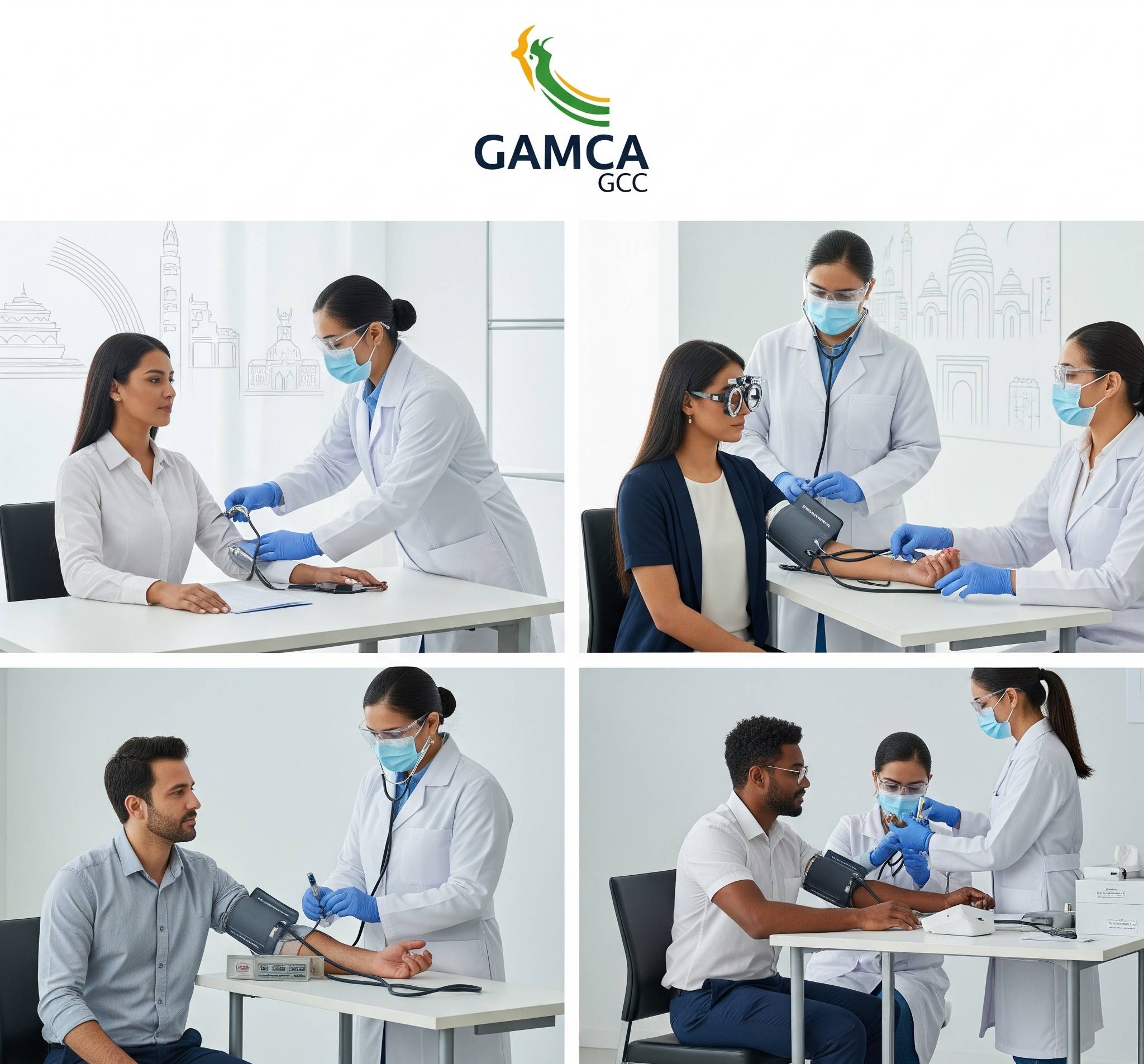
Qatar has become one of the leading destinations for expatriate workers in the Gulf region, attracting professionals, skilled labourers, domestic workers, healthcare personnel, and construction workers from countries across Asia, Africa, and the Middle East. As part of its workforce management strategy, Qatar maintains strict labour, immigration, and public health regulations that directly influence the WAFID medical screening process.
WAFID, formerly known as GAMCA (Gulf Approved Medical Centres Association), serves as the official medical screening system for expatriates seeking work and residency visas in Gulf Cooperation Council (GCC) countries. While all GCC nations require medical examinations, Qatar’s labour policies play a particularly important role in shaping how medical fitness standards are applied, monitored, and enforced.
Understanding the relationship between Qatar’s labour regulations and WAFID medical screening helps applicants better prepare for the visa process and understand why certain medical requirements exist.
What Is WAFID Medical Screening?
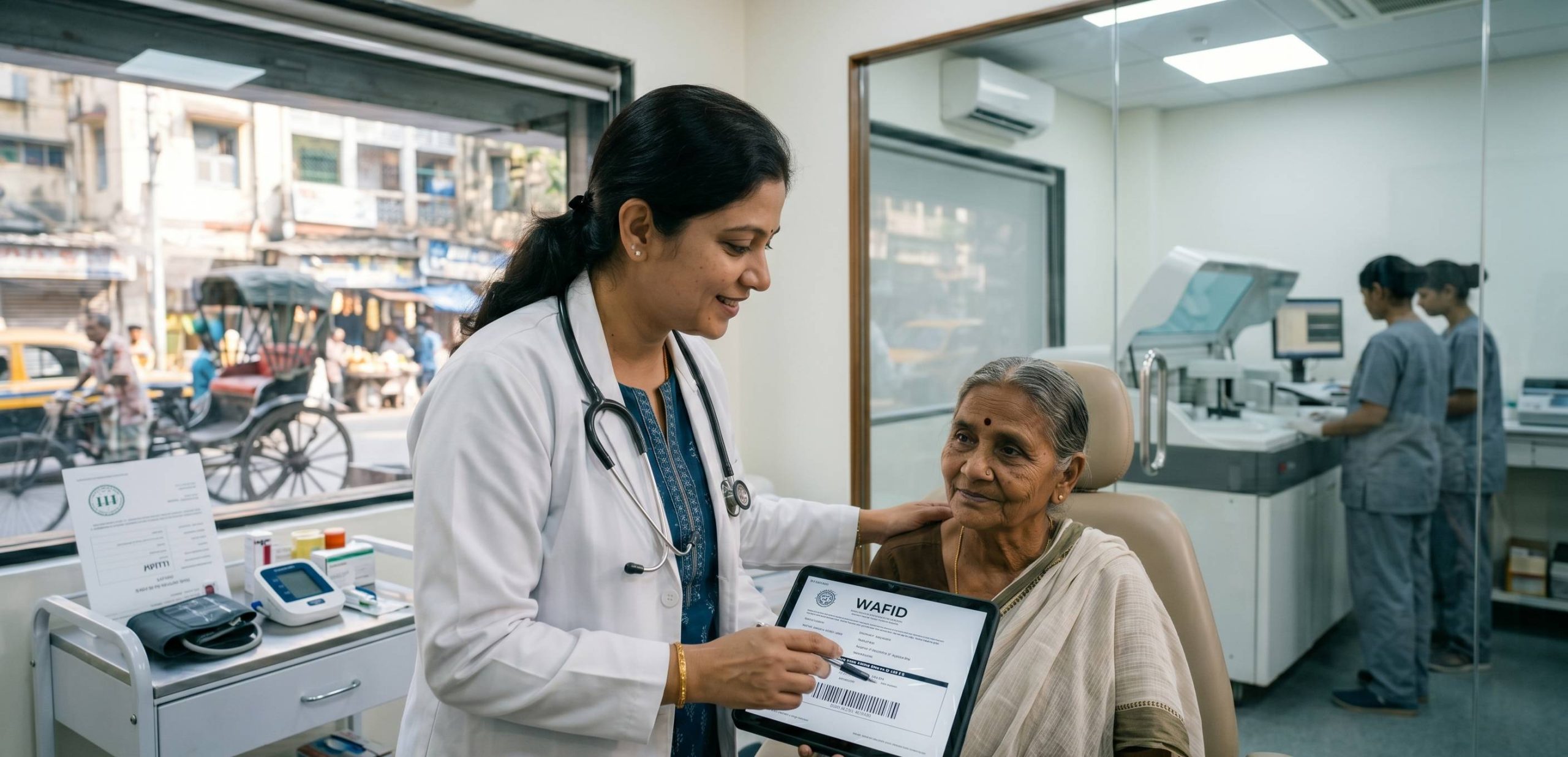
WAFID is a GCC-approved health screening system designed to ensure that foreign workers entering Gulf countries meet specific medical fitness requirements.
For Qatar-bound workers, the screening generally includes:
- Physical examination
- Blood tests
- Chest X-ray
- Infectious disease screening
- Medical fitness certification
Applicants from several labor-sending countries, including India, Pakistan, Bangladesh, Nepal, Sri Lanka, Egypt, Indonesia, Ethiopia, and the Philippines, are required to complete pre-departure medical examinations through approved clinics before traveling to Qatar.
Qatar’s Labour Policies and Workforce Protection Goals
Qatar’s labour framework is closely linked to public health management. The government views worker health as a key component of productivity, workplace safety, and national healthcare planning.
Under Qatar’s regulations, expatriate workers must undergo health screening before receiving a Residence Permit (RP). Medical examinations are legally required for foreign workers entering the country. The stated objective is to protect public health and prevent the spread of infectious diseases among the population.
This policy directly shapes the structure and scope of WAFID medical screening.
Public Health Protection as a Labour Policy Priority
One of the strongest influences on Qatar’s WAFID system is the country’s emphasis on disease prevention.
Qatar requires incoming workers to undergo medical examinations targeting communicable diseases such as:
- Tuberculosis (TB)
- HIV/AIDS
- Hepatitis B
- Hepatitis C
- Certain infectious diseases affecting public safety
The Medical Commission in Qatar conducts additional examinations after arrival to support national disease-control objectives. These screenings are designed to reduce public health risks associated with large-scale labour migration.
Because Qatar relies heavily on an expatriate workforce, labour policy and public health policy are closely interconnected.
Labour Sector-Specific Medical Requirements
Not all workers face identical medical screening standards.
Qatar’s labour regulations recognise that some occupations involve greater public interaction and health risks than others. Workers employed in healthcare, food handling, hospitality, salons, and public-facing services may face more extensive screening requirements.
Reports on Qatar’s medical examination framework indicate that healthcare workers, food industry employees, nurses, technicians, and similar professions undergo additional testing due to their close interaction with the public.
This demonstrates how labour policy directly influences the depth of medical evaluations performed through WAFID screening.
Residence Permit Requirements and Medical Fitness
Qatar’s labour system links medical fitness directly to immigration approval.
Foreign workers cannot obtain a Qatar Residence Permit until they successfully complete the required medical examinations. Medical screening, therefore, functions not only as a healthcare measure but also as an immigration compliance requirement.
This policy significantly increases the importance of WAFID certification because an unfit result may delay or prevent employment authorization.
Occupational Health Standards and Worker Welfare
In recent years, Qatar has expanded worker welfare initiatives, particularly in sectors employing large numbers of migrant workers.
Programs introduced through worker welfare frameworks include:
- Periodic health screenings
- Centralised medical record systems
- Occupational health monitoring
- Preventive healthcare programs
Worker welfare initiatives have included comprehensive annual medical screenings and centralised electronic health records to improve long-term workforce health management.
These policies reinforce the importance of medical screening beyond the initial visa approval stage.
How Construction Sector Reforms Affect Medical Screening
Qatar’s construction industry has historically employed hundreds of thousands of migrant workers.
Major infrastructure projects, including preparations for international sporting events and long-term development programs, prompted increased attention to worker welfare and occupational health monitoring.
Labour reforms encouraged:
- Improved health surveillance
- Regular medical assessments
- Better access to healthcare services
- Enhanced worker welfare oversight
As a result, WAFID medical screening increasingly functions as the first step in a broader worker health management system rather than a standalone immigration requirement.
Annual Health Checks for Certain Occupations
Another example of labor policy influencing medical screening is Qatar’s requirement for recurring health examinations in selected sectors.
Workers employed in:
- Restaurants
- Barber shops
- Laundries
- Health clubs
- Public-service businesses
may be required to undergo periodic health checks after arrival in Qatar.
This policy reflects Qatar’s effort to continuously monitor workers in occupations involving public health exposure.
Why Qatar Maintains Strict Tuberculosis Screening
Tuberculosis remains one of the most important conditions evaluated during WAFID examinations.
Qatar’s labour policies prioritise preventing the importation and spread of infectious respiratory diseases. As a result:
- Chest X-rays remain mandatory.
- Suspected TB cases receive additional review.
- Active pulmonary infections may lead to medical rejection.
- Post-arrival examinations may verify pre-departure findings.
These measures align with broader public health objectives linked to workforce management and immigration control.
Digitalisation and Regulatory Compliance
Qatar has increasingly adopted digital systems to strengthen labour regulation compliance.
Medical screening results are integrated into electronic systems that support:
- Immigration processing
- Worker identification
- Healthcare record management
- Regulatory oversight
Worker welfare programs have also implemented centralised medical records systems to improve continuity of care and monitoring.
Digitalisation reduces opportunities for document fraud while improving coordination between healthcare providers and government authorities.
Labour Market Demands and Medical Screening Expansion
Qatar’s reliance on foreign labour means that workforce planning influences medical screening policies.
The country seeks to:
- Protect public health
- Maintain labour productivity
- Reduce occupational disease risks.
- Support long-term workforce sustainability.
Because expatriates represent a substantial portion of Qatar’s labor force, medical screening remains a critical tool for balancing labor market needs with public health priorities.
Challenges and Criticisms
While Qatar’s medical screening system serves important regulatory goals, some applicants and expatriates have raised concerns regarding:
- Strict medical interpretations
- Administrative delays
- Fitness assessment consistency
- Documentation requirements
Online discussions among expatriates occasionally highlight concerns regarding procedural complexity and varying interpretations of medical findings.
However, the overall framework continues to prioritise disease prevention and regulatory compliance.
Future Direction of Qatar’s WAFID Screening Policies
Several trends suggest continued evolution in Qatar’s medical screening system:
- Enhanced electronic verification
- Greater integration with immigration systems
- Improved occupational health monitoring
- Expanded worker welfare initiatives
- Increased use of centralised medical records
As labour regulations continue to develop, WAFID screening is likely to remain a key component of Qatar’s workforce governance strategy.
Conclusion
Qatar’s labor policies have a direct and substantial influence on WAFID medical screening requirements. The country’s emphasis on public health protection, workforce productivity, occupational safety, and immigration compliance has shaped one of the GCC region’s most structured medical screening frameworks.
From mandatory pre-departure examinations and post-arrival health checks to occupation-specific screening requirements and centralized health monitoring systems, Qatar uses WAFID screening as both a public health safeguard and a labor market regulation tool.
For expatriate workers, understanding these policies is essential for successfully navigating the visa process and ensuring compliance with Qatar’s employment and residency requirements.
Frequently Asked Questions (FAQs)
Why does Qatar require WAFID medical screening?
Qatar requires medical screening to protect public health, prevent the spread of infectious diseases, and ensure that incoming workers meet health requirements for residency and employment.
Is WAFID screening mandatory for all workers going to Qatar?
Yes. Most foreign workers seeking employment and residency in Qatar must complete approved medical examinations before obtaining a Residence Permit.
Which diseases are commonly screened during WAFID medical tests?
The screening typically includes checks for tuberculosis, HIV/AIDS, Hepatitis B, Hepatitis C, and other communicable diseases.
Do some occupations face stricter medical requirements?
Yes. Healthcare workers, food handlers, salon workers, and certain public-facing professions may undergo additional medical evaluations.
Does Qatar conduct medical examinations after arrival?
Yes. Workers must complete medical examinations through Qatar’s Medical Commission after entering the country to obtain their Residence Permit.
Are annual health checks required in Qatar?
Certain occupations involving public interaction may require periodic or annual health examinations after arrival.