
The necessity of having a strong emergency health plan for foreign workers has been brought to light by the recent wave of missile and drone assaults on the United Arab Emirates, which are mainly ascribed to Iran amid the intensifying regional conflict. Hundreds of ballistic missiles, cruise missiles, and drones have been successfully intercepted by UAE air defence systems since late February/early March 2026 (reports claim around 300 ballistic missiles, thousands of drones engaged overall, with daily interceptions in the dozens to hundreds). Although the majority of the threats have been eliminated, instances of falling debris have resulted in property damage (such as fires at hotels caused by debris), casualties (including fatalities and injuries among different nationalities, such as Pakistani, Nepali, Bangladeshi, and others), and widespread disruption (such as restless nights, shelter-seeking, and temporary evacuations in some areas like ports or cities (Dubai, Abu Dhabi).
These incidents highlight the vulnerabilities of the UAE’s sizable expat workforce, which includes millions of people from South Asia, the Philippines, and other countries. These workers frequently live in shared housing, put in long hours in construction, hospitality, or services, and might not have quick access to safety information or medical resources in an emergency.
Key Lessons from Recent Interceptions for Expat Workers
- Rapid Response Saves Lives, But Debris Risks Remain. UAE’s advanced air defences (e.g., Patriot systems, fighter jets) have achieved high interception rates, preventing direct strikes on populated areas in most cases. However, falling interceptor debris or failed projectiles have led to injuries, deaths, and fires. Lesson: Expats should treat audible explosions, air raid sirens, or official alerts seriously, even “successful” interceptions can produce hazards. Stay indoors, away from windows, and follow UAE National Emergency Crisis and Disasters Management Authority (NCEMA) guidance via apps like UAE MOI or Dubai Police.
- Preparedness Gaps for Vulnerable Groups. Many foreign workers reported uncertainty about shelters during alerts, continued work obligations amid threats, and limited access to real-time multilingual updates. Low-wage laborers in labor camps or high-rises face higher exposure. Lesson: Employers and sponsors play a critical role. Companies should provide emergency kits (water, first aid, flashlight, radio), designate safe zones, and conduct drills. Expats should know their embassy contacts (e.g., Indian and Pakistani missions in the UAE offer hotlines and support).
- Health Infrastructure Resilience The UAE’s world-class hospitals (e.g., in Dubai and Abu Dhabi) remained operational, handling injuries from debris without major overload reported. No widespread health crises emerged from the interceptions themselves. Lesson: Pre-existing health fitness (required for residency) indirectly supports crisis resilience, fit individuals recover better from stress or minor injuries.
Connection to GAMCA and Pre-Arrival Health Screening
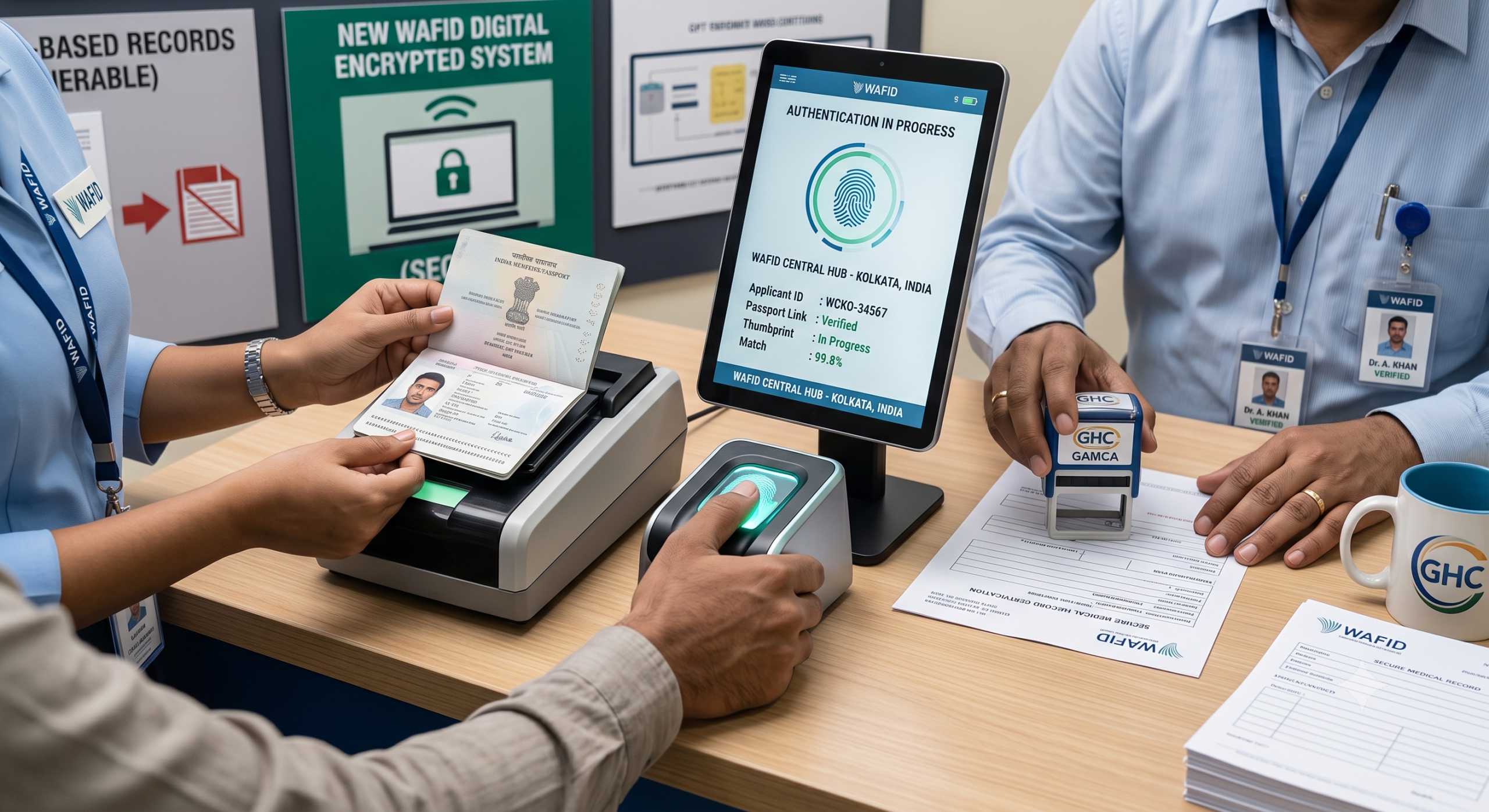
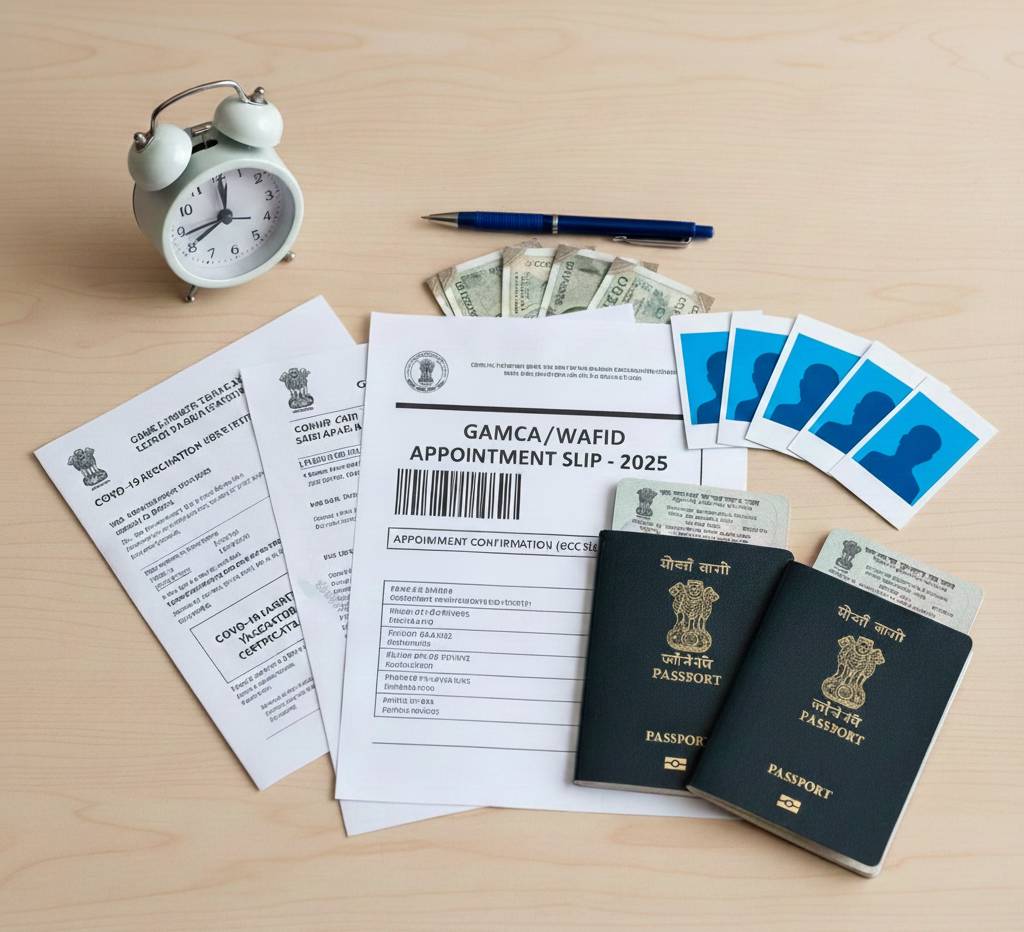
GAMCA (GCC Approved Medical Centers Association, now often via Wafid) requires mandatory pre-departure medical exams for expats heading to the UAE/GCC for work visas. These tests screen for infectious diseases (HIV, Hepatitis B/C, TB via X-ray, syphilis, etc.), ensuring applicants meet GCC health standards to prevent public health burdens.
While GAMCA focuses on preventive screening (not emergency response), the recent events reveal broader lessons:
- Baseline Health Matters in Crises — Passing GAMCA means you’re free of certain communicable diseases, reducing risks during mass gatherings in shelters or hospitals amid alerts. Poor pre-existing health could complicate injury treatment or stress-related issues (e.g., anxiety, minor trauma from debris).
- UAE’s Dual Medical System — GAMCA is for entry visa processing (often required by employers for faster approval). Upon arrival, a second local medical exam (at government centres) is mandatory for the Emirates ID/residency visa. This reinforces ongoing health monitoring.
- Opportunity for Enhanced Preparedness — GAMCA centers could integrate basic emergency awareness (e.g., UAE safety apps, what to do in air raids) into pre-departure briefings, especially for workers from high-risk origin countries. Expats should maintain health insurance (mandatory in the UAE) and know the renewal processes.
Practical Recommendations for Expat Workers
- Download NCEMA, UAE MOI, or local emirate apps for alerts in multiple languages.
- Prepare a personal emergency kit and know the nearest shelters/hospitals.
- Stay connected with community groups (e.g., via Facebook for nationality-specific advice).
- Monitor official sources, avoid rumours that amplify panic.
- If injured or needing support, contact your embassy immediately.
The UAE’s defenses have proven effective, minimizing widespread harm. However, these incidents remind expats that safety extends beyond medical fitness, proactive emergency readiness, employer support, and community networks are essential in an unpredictable region. Stay vigilant, informed, and prepared.