The integrity of the medical screening system for expatriates entering GCC countries depends heavily on effective oversight and evaluation. Under the Gulf Approved Medical Centers Association (WAFID) framework, medical centers are subject to strict accreditation and continuous monitoring. A key component of this oversight is the role played by evaluators nominated by the Health Ministers’ Council for GCC States.
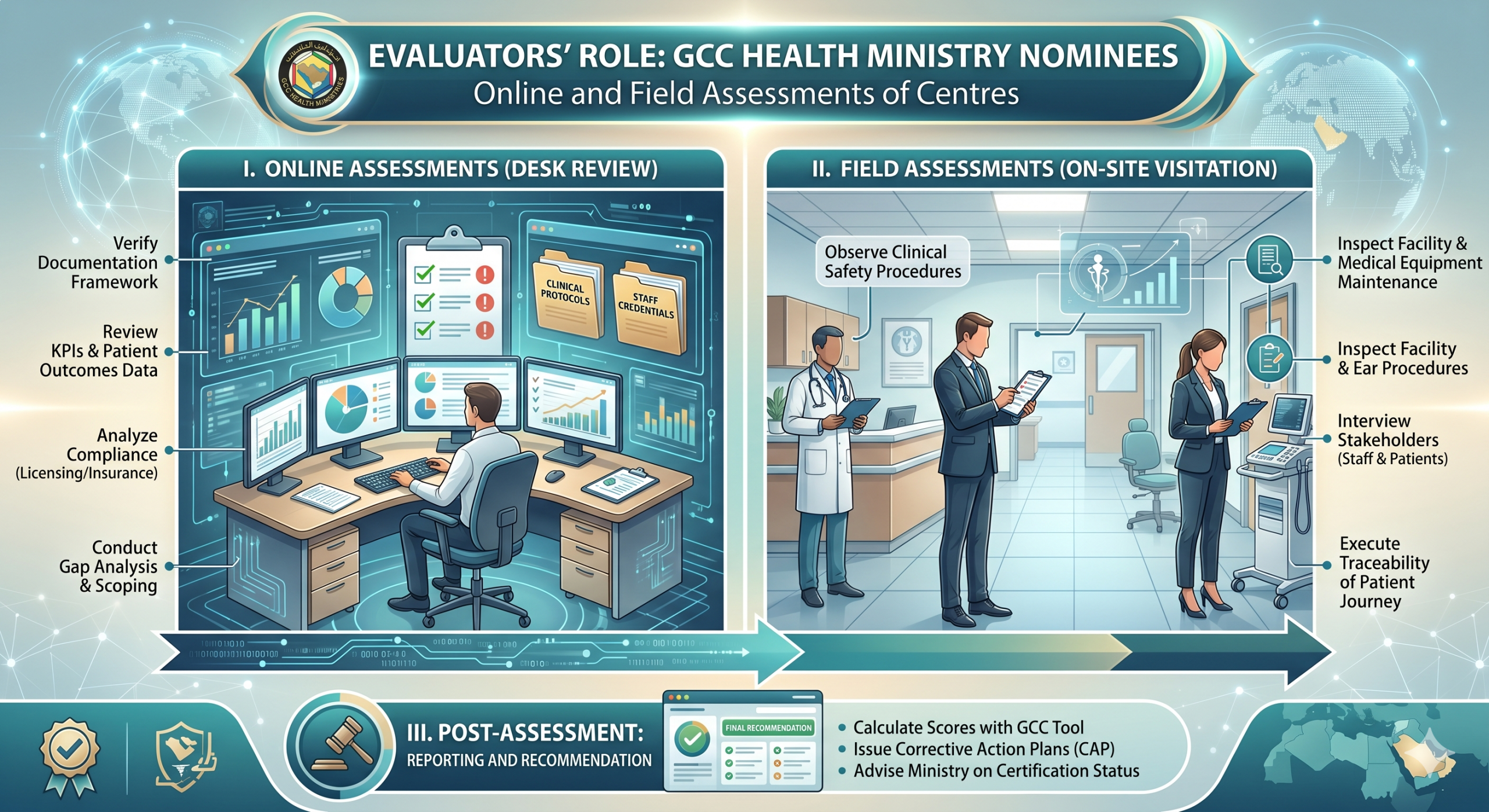
These evaluators are responsible for ensuring that medical centres comply with established standards through both online assessments and on-site field inspections, thereby maintaining consistency, transparency, and public health protection across the GCC region.
Legal Authority and Appointment of Evaluators
Evaluators operate under the authority of resolutions issued by the Health Ministers’ Council for GCC States, which provide the legal basis for monitoring and enforcement. These individuals are typically experienced healthcare professionals or regulatory experts appointed to assess compliance with GAMCA/WAFID standards.
Their mandate includes:
- Verifying adherence to medical protocols
- Ensuring compliance with accreditation criteria
- Identifying violations or irregularities
Once appointed, evaluators act as official representatives of GCC health authorities, and their findings carry significant legal weight.
Scope of Evaluators’ Responsibilities
Evaluators perform a wide range of functions to ensure that accredited medical centres operate in line with regulatory requirements. Their responsibilities include reviewing clinical practices, assessing infrastructure, verifying staff qualifications, and evaluating reporting accuracy.
They also play a crucial role in:
- Maintaining uniform standards across different countries
- Preventing fraud and manipulation of medical results
- Ensuring fair and unbiased medical assessments
This comprehensive oversight helps sustain the credibility of the Gulf Approved Medical Centers Association system.
Online Assessments and Digital Monitoring
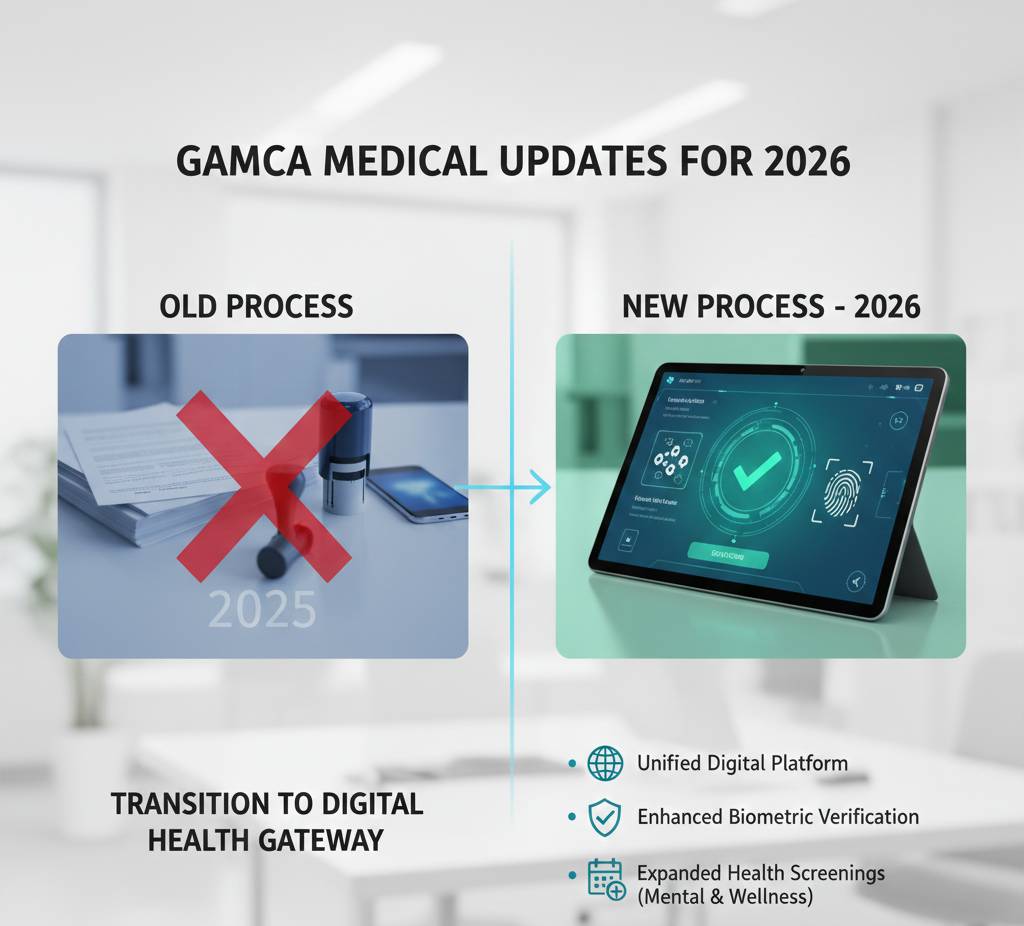
With the digital transformation of the WAFID platform, evaluators now conduct extensive online assessments. These assessments involve reviewing medical reports, analyzing uploaded data, and identifying inconsistencies in real time.
Key aspects of online evaluation include:
- Verification of medical test results uploaded by centres
- Monitoring, reporting, timelines, and accuracy
- Detecting unusual patterns or anomalies in data
Digital tools allow evaluators to perform continuous monitoring without being physically present, significantly improving efficiency and response time.
Field Assessments and On-Site Inspections
In addition to online monitoring, evaluators conduct field assessments to verify the physical and operational standards of medical centres. These inspections are essential for ensuring that facilities meet accreditation requirements.
During on-site visits, evaluators assess:
- Availability and condition of medical equipment
- Laboratory standards and testing procedures
- Qualifications and licensing of medical staff
- Hygiene, sanitation, and patient handling practices
Field assessments provide a practical understanding of how centers operate, complementing the data obtained through digital systems.
Evaluation Criteria and Performance Metrics
Evaluators use standardised criteria to assess medical centres. These criteria are aligned with GAMCA/WAFID regulations and include:
- Compliance with medical testing protocols
- Accuracy and reliability of diagnostic results
- Timeliness of report submission
- Adherence to ethical and legal standards
Performance metrics are used to determine whether a centre meets the required standards or requires corrective action. Consistent evaluation ensures fairness and uniformity across all accredited centres.
Reporting and Decision-Making Process
After completing assessments, evaluators prepare detailed reports outlining their findings. These reports include observations, identified violations, and recommendations for corrective measures.
The decision-making process typically involves:
- Submission of the evaluator’s report
- Review by regulatory authorities
- Issuance of warnings, penalties, or suspension orders
Evaluator reports serve as the primary basis for enforcement actions, making their role critical in maintaining compliance.
Role in Identifying Violations and Ensuring Compliance
Evaluators are instrumental in detecting violations within the Gulf Approved Medical Centers Association network. They identify issues such as:
- Fraudulent medical reports
- Non-compliance with testing protocols
- Use of outdated or faulty equipment
- Breaches of patient confidentiality
By identifying these violations early, evaluators help prevent systemic issues and ensure that corrective actions are taken promptly.
Challenges Faced by Evaluators
Despite their crucial role, evaluators face several challenges. These include managing large volumes of data in online assessments, ensuring consistency across different regions, and dealing with varying levels of compliance among medical centers.
Additionally, field assessments can be resource-intensive and require coordination with local authorities. Rapid technological advancements also demand continuous training and adaptation.
Importance of Evaluators in Strengthening the System
The role of evaluators extends beyond compliance monitoring, they are essential for strengthening the overall medical screening system. Their work ensures that:
- Only qualified and compliant centres remain accredited.
- Medical results are accurate and reliable.
- Public health risks are minimised.
By maintaining strict oversight, evaluators uphold the credibility and effectiveness of the WAFID framework.
Conclusion
Evaluators nominated by the Health Ministers’ Council for GCC States play a pivotal role in the success of the Gulf Approved Medical Centers Association system. Through a combination of online monitoring and field assessments, they ensure that medical centres adhere to the highest standards of quality and compliance.
Their work not only enforces regulations but also enhances transparency, accountability, and public health protection across GCC countries. As the WAFID system continues to evolve with digital advancements, the role of evaluators will become even more critical in maintaining a robust and reliable medical screening framework.