Choosing Between Oman and Bahrain? Your Medical Screening Experience May Differ
For many expatriates pursuing career opportunities in the Gulf region, the WAFID medical examination is viewed as a routine visa requirement. Since Oman and Bahrain both operate under the GCC-approved WAFID system, applicants often assume that the medical assessment process is identical in both countries.
However, beneath the standardised testing framework lie several important differences that can influence medical outcomes, visa approval timelines, and even the likelihood of additional testing. Understanding these distinctions can help applicants prepare more effectively before beginning their immigration journey.
The Common Ground: Why Both Countries Use WAFID
Before exploring the differences, it is important to understand what Oman and Bahrain have in common.
Both countries rely on the WAFID platform to screen expatriates for communicable diseases and medical conditions that may affect public health. Applicants are typically required to complete:
- Blood tests
- Chest X-rays
- Physical examinations
- Infectious disease screening
- Medical fitness certification
The objective is straightforward: ensure that incoming workers and residents meet GCC health standards before entering the country.
While the testing procedures appear similar on paper, the way results are interpreted and integrated into immigration policies differs significantly.
Oman: A Workforce-Centred Medical Model
Oman’s economy relies heavily on expatriate labour across construction, logistics, manufacturing, hospitality, and domestic services. As a result, medical screening is often closely linked to workforce readiness.
Authorities primarily focus on determining whether an applicant is physically capable of performing the duties associated with their employment.
What Oman Typically Prioritises
- General physical fitness
- Active infectious diseases
- Occupational health risks
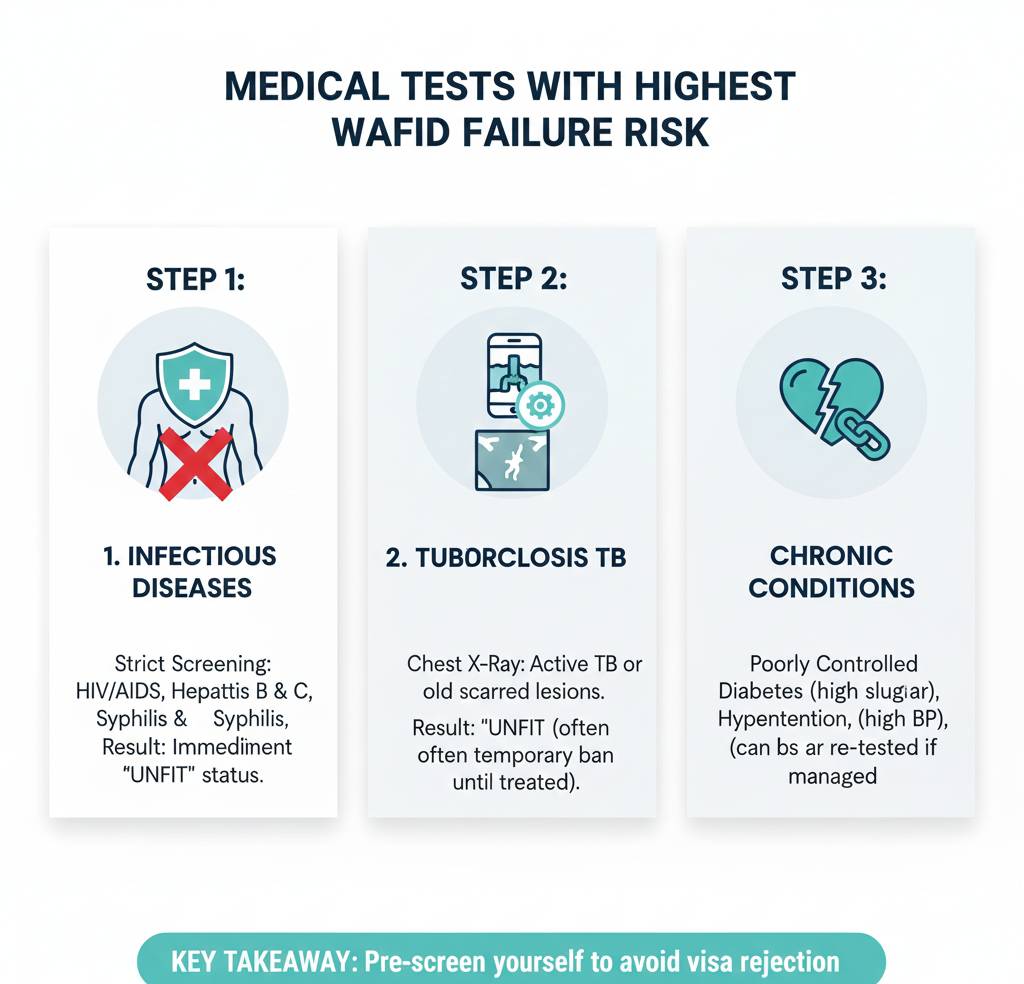
- Tuberculosis detection
- Ability to perform job-related tasks
This practical approach means that medical evaluations frequently emphasise employability and workplace functionality.
For many applicants, the question being asked is not only “Is this person healthy?” but also “Can this person safely perform the job they were hired to do?”
Bahrain: A Residency and Public Health Perspective
Bahrain approaches expatriate medical screening from a somewhat different angle.
While workforce fitness remains important, Bahrain’s system places stronger emphasis on long-term residency suitability and public health protection. Medical assessments often become part of a broader immigration compliance framework.
Areas Receiving Greater Attention
- Infectious disease monitoring
- Long-term public health risks
- Chronic health conditions
- Residency eligibility considerations
- Follow-up medical reviews when required
As a result, Bahrain’s evaluation process may feel more closely connected to immigration governance than workforce assessment alone.
Where Applicants Notice the Biggest Difference
The most significant differences usually emerge when medical findings are not completely straightforward.
Scenario 1: Previous Chest Infection
An applicant who experienced tuberculosis years ago but completed treatment may encounter different levels of scrutiny.
In Oman, the focus often centres on whether active disease is present.
In Bahrain, historical chest findings may receive additional review, particularly if radiological evidence raises questions about long-term health status.
Scenario 2: Chronic Medical Conditions
Applicants with conditions such as diabetes, hypertension, or kidney-related concerns may discover that Bahrain’s assessment process pays closer attention to the long-term implications of these illnesses.
Oman generally concentrates on whether the condition affects work capability and current health status.
Scenario 3: Residency-Based Applications
For family visa holders and long-term residents, Bahrain’s system often integrates medical fitness more directly into residency approval procedures.
This can result in additional administrative reviews beyond the initial WAFID screening.
Medical Rejection Triggers: What Matters Most?
Although both countries follow GCC guidelines, the practical triggers for additional scrutiny can differ.
Common Concerns in Oman
- Active tuberculosis
- Serious infectious diseases
- Severe respiratory conditions
- Medical issues affecting job performance
Common Concerns in Bahrain
- Infectious diseases
- Chronic communicable conditions
- Certain chest abnormalities
- Serious long-term health complications
- Conditions affecting residency eligibility
Understanding these priorities allows applicants to anticipate potential concerns before attending their medical appointment.
Which Country Is More Stringent?
This question is frequently asked but difficult to answer definitively.
The reality is that each country evaluates applicants through a different lens.
Oman’s Evaluation Philosophy
“Can this individual safely contribute to the workforce?”
Bahrain’s Evaluation Philosophy
“Can this individual safely reside within the country’s public health framework?”
Neither approach is inherently stricter. Instead, each reflects different national priorities.
Documentation Becomes More Important Than Many Applicants Realise
One of the most overlooked aspects of WAFID screening is medical documentation.
Applicants with previous medical histories should consider carrying:
- Previous chest X-rays
- Specialist reports
- Treatment completion certificates
- Chronic disease management records
- Hospital discharge summaries
Supporting documentation can often clarify findings that might otherwise trigger additional testing or delays.
What This Means for Job Seekers
If you are heading to Oman, preparation should focus on demonstrating current physical fitness and ensuring there are no unresolved infectious diseases.
If you are relocating to Bahrain, equal attention should be paid to both medical fitness and the long-term management of any existing health conditions.
Understanding these distinctions can help applicants avoid unexpected delays and improve confidence throughout the visa process.
Final Thoughts
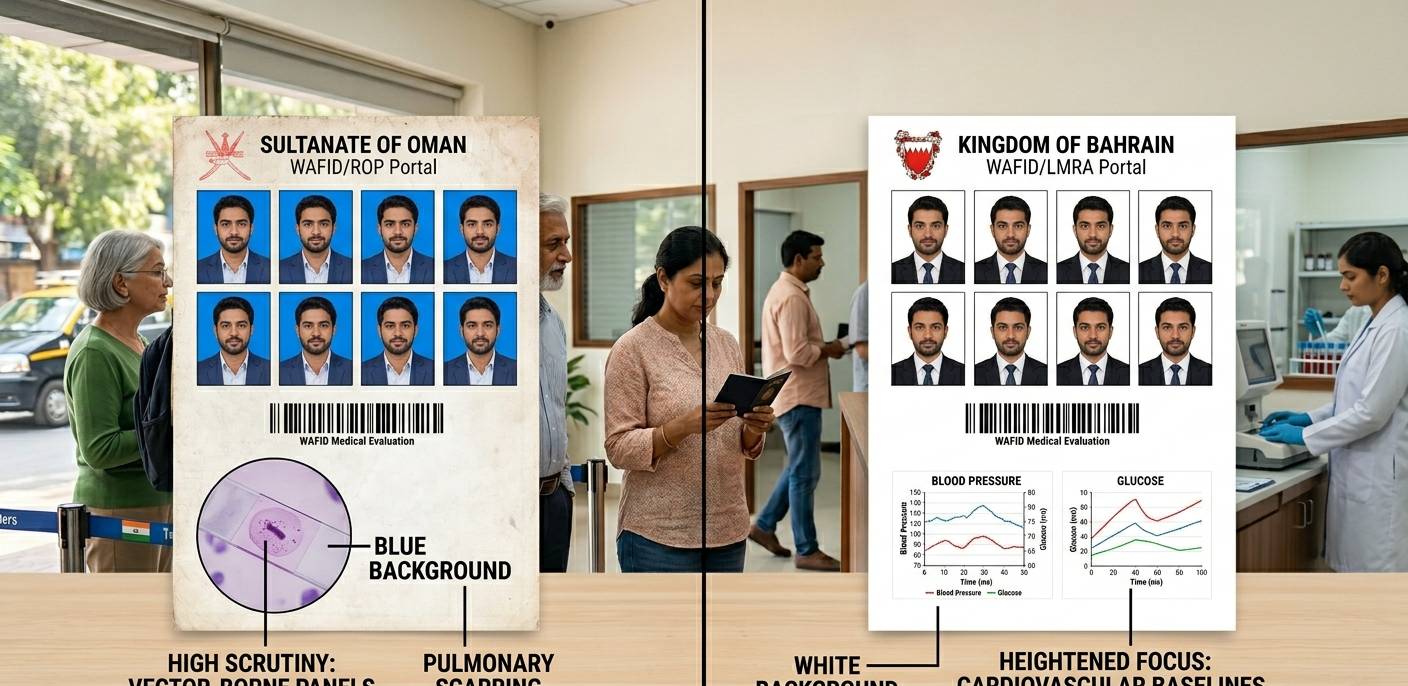
Although Oman and Bahrain operate within the same GCC WAFID framework, their medical evaluation priorities reveal important differences. Oman tends to view medical fitness through the lens of workforce participation and occupational readiness, while Bahrain places greater emphasis on residency compliance and public health protection.
For expatriates, these subtle distinctions can influence everything from additional testing requirements to visa processing timelines. The most successful applicants are often those who prepare not only for the medical examination itself but also for the broader regulatory expectations of their destination country.
Quick Comparison Snapshot
| Factor | Oman | Bahrain |
| Primary Objective | Workforce readiness | Residency suitability |
| Focus on Employability | High | Moderate |
| Public Health Emphasis | Moderate | High |
| Chronic Disease Review | Job-impact focused | Long-term health focused |
| Residency Integration | Limited | Extensive |
| Follow-Up Reviews | Case-dependent | More common |
| Ideal Preparation | Fitness and infection control | Comprehensive medical documentation |