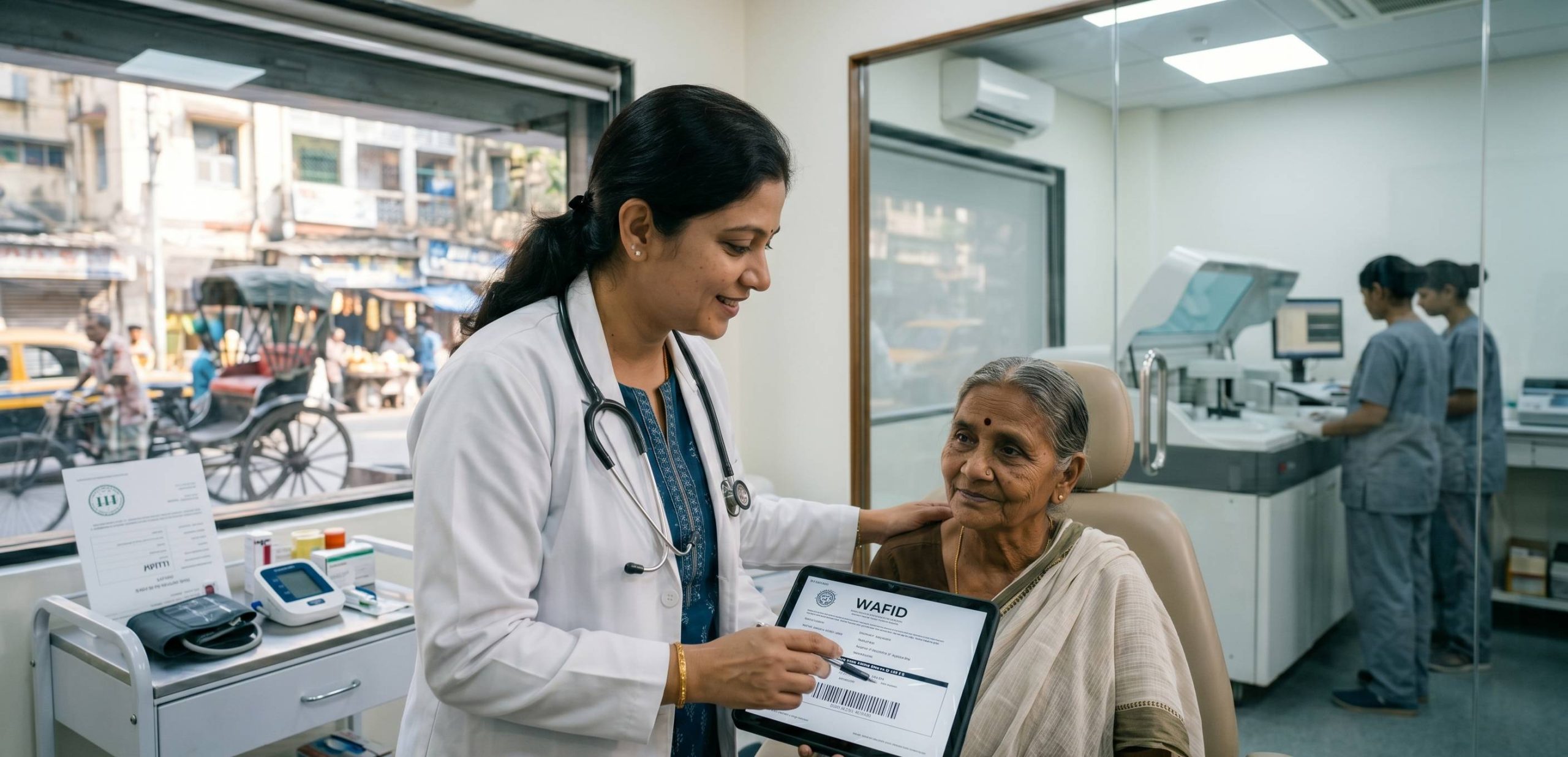
Completing your GAMCA (Gulf Approved Medical Centers Association) medical examination is required if you intend to work or live in a GCC (Gulf Cooperation Council) country. Missing or inaccurate documentation is one of the most frequent causes of delays or rejections at the medical center. It’s crucial to have the necessary paperwork ready in advance to guarantee a seamless and trouble-free GAMCA appointment.
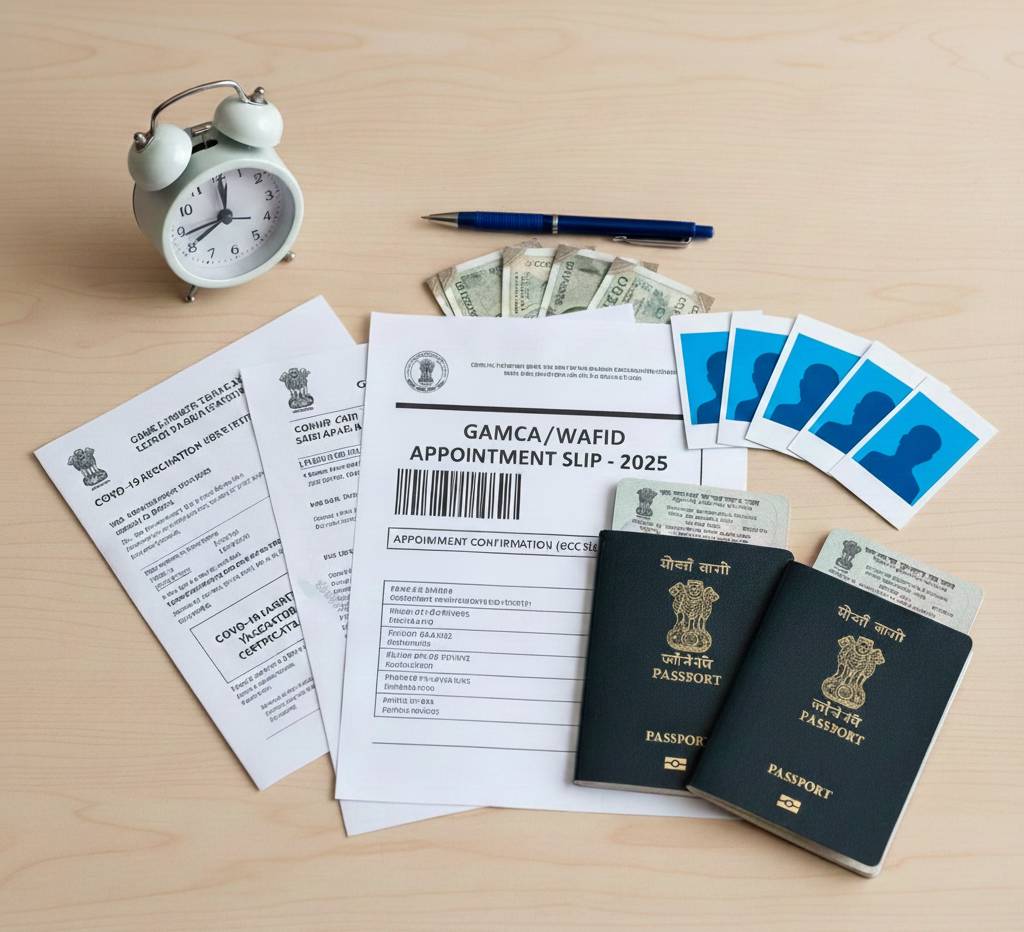
Below is a detailed list of essential documents you must bring to your GAMCA appointment, along with an explanation of why each one is important.
1. Original Passport (Mandatory)
Your original passport is the most important document for the GAMCA medical examination. Medical centers verify your identity strictly using passport details.
Make sure:
- The passport is valid (preferably with at least 6 months’ validity)
- The details match exactly with your GAMCA registration.
- The passport is not damaged or expired.
Without an original passport, you will not be allowed to proceed with the medical test.
2. GAMCA Medical Slip / Registration Printout
After registering on the GAMCA portal, you will receive a medical slip or registration confirmation. This document includes:
- Your GAMCA reference number
- Assigned medical center details
- Appointment date and location
Carry a printed copy of this slip, as most centers do not accept screenshots or digital copies.
3. Passport-Size Photographs
Most GAMCA-approved medical centers require 2 to 4 recent passport-size photographs.
Photo guidelines generally include:
- White background
- Clear facial visibility
- No headwear (unless for religious reasons)
- Recent (taken within the last 6 months)
It’s always safer to carry extra photographs to avoid last-minute issues.
4. National ID or Aadhaar Card (If Applicable)
Some medical centers may ask for an additional identity proof, such as:
- Aadhaar Card (India)
- National ID card
While not always mandatory, carrying it can help in verification and data entry, especially if there is a discrepancy in personal details.
5. Previous Medical Reports (If Any)
If you have undergone a GAMCA or GCC medical examination earlier, or if you have existing medical conditions, it’s advisable to carry:
- Old GAMCA medical reports
- Medical prescriptions
- Diagnostic reports (X-rays, blood tests, etc.)
This is particularly important for individuals with known conditions such as diabetes, hypertension, or past surgeries.
6. Vaccination Records (If Available)
Although not mandatory in all cases, some medical centers may request vaccination certificates, especially for:
- Hepatitis
- COVID-19 (depending on current regulations)
- Other communicable diseases
Having these records can speed up the evaluation process.
7. Appointment Fee (Cash or Accepted Payment Mode)
Carry the medical examination fee as specified during registration. Some GAMCA centers accept:
- Cash
- Debit cards
- UPI or local digital payments
Confirm the accepted payment mode beforehand to avoid inconvenience.
8. Sponsor or Employer Details (Optional but Helpful)
In some cases, you may be asked about:
- Employer name
- Visa type
- Destination GCC country
While documents are usually not required, keeping sponsor details handy can help answer queries quickly.
Important Tips Before Your GAMCA Appointment
- Ensure all documents match your passport details exactly.
- Arrive early at the medical center to avoid delays.
- Avoid alcohol and heavy meals before tests.
- Follow any specific instructions mentioned on your GAMCA slip.
Final Thoughts
Having the proper paperwork ready for your GAMCA appointment will help you avoid needless rescheduling, save time, and feel less stressed. A straightforward checklist and careful preparation guarantee a seamless and effective medical examination procedure.
Always verify your GAMCA registration before attending the medical center if you have any questions about your paperwork or the specifics of your appointment.