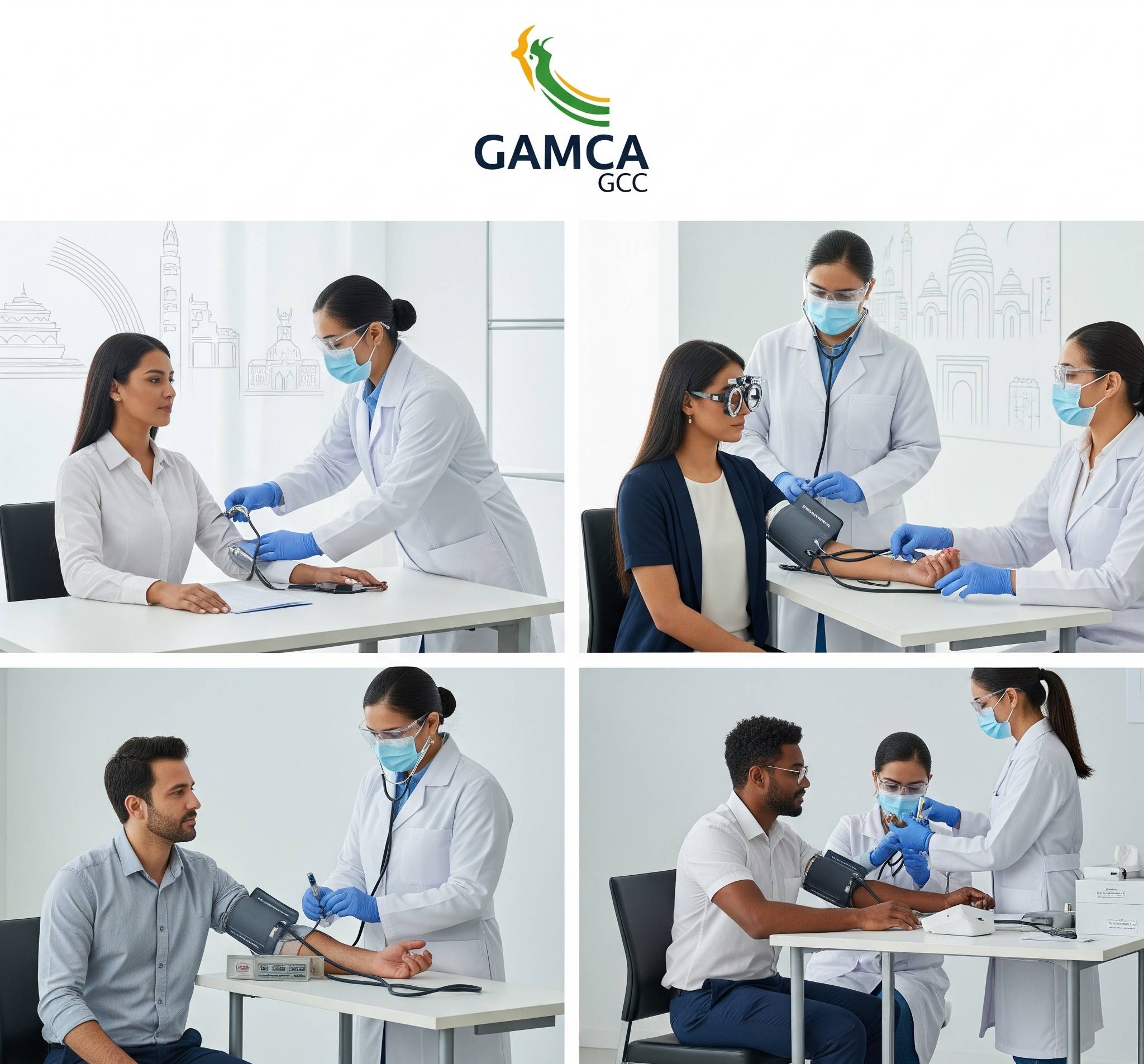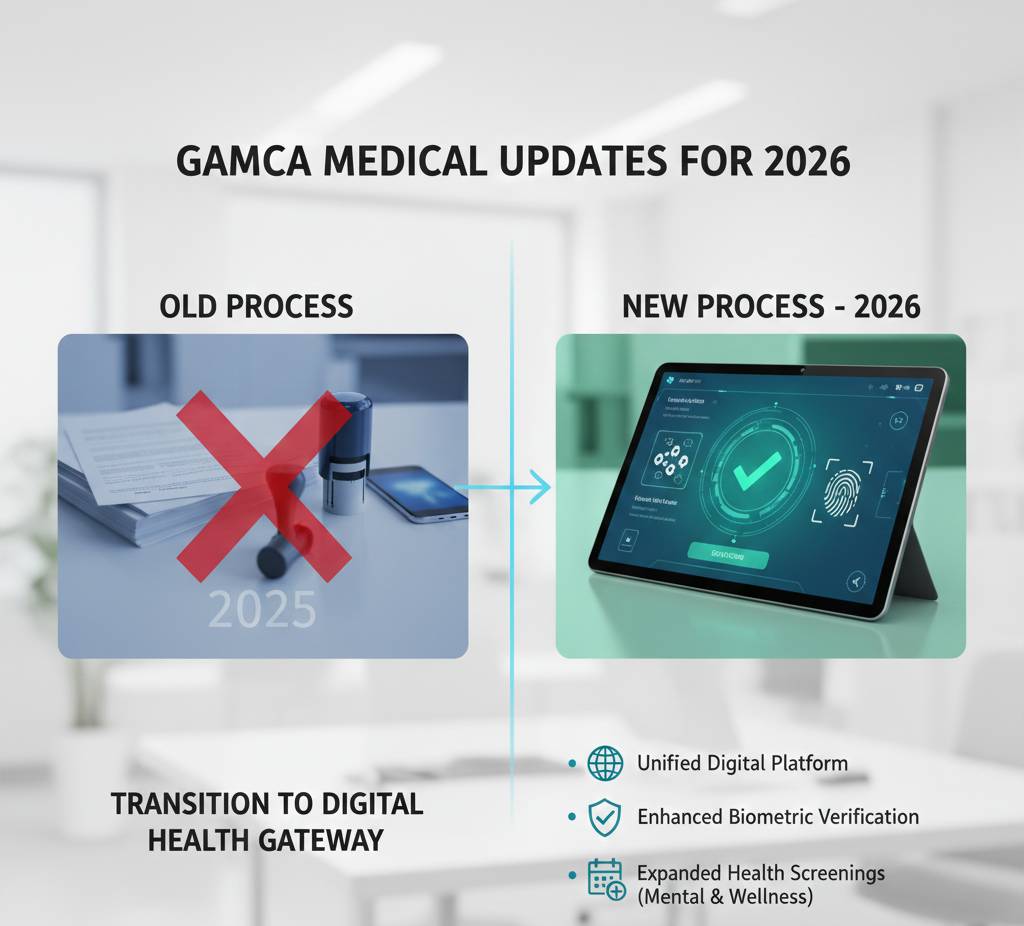

The E-System is a centralized digital platform used for managing medical examination data of expatriates applying for work visas in GCC countries such as Saudi Arabia, United Arab Emirates, Qatar, Kuwait, Oman, and Bahrain. Since the system processes sensitive personal and medical information, ensuring data confidentiality and integrity is essential for both approved medical centres and GCC regulatory authorities.
Importance of Data Confidentiality
Data confidentiality in the WAFID system refers to the protection of applicant information from unauthorised access or disclosure. The system handles highly sensitive records such as passport details, laboratory results, chest X-rays, infectious disease reports, and final medical fitness decisions. If this data is exposed or misused, it can lead to privacy violations, identity fraud, employment discrimination, and legal consequences. Therefore, strict confidentiality protocols are enforced at every stage of the medical screening and reporting process.
Responsibilities of WAFID-Approved Medical Centres
Approved medical centers are responsible for the first stage of data handling, which includes collecting and entering applicant information into the system. They must ensure that all data is entered accurately and verified against valid identification documents. Any mismatch in personal details can lead to serious immigration and visa processing issues.
Medical centers are also responsible for maintaining secure internal systems to protect patient records. This includes restricting system access to authorised staff only, using secure login credentials, and ensuring that medical reports are stored and transmitted through protected digital channels. Sensitive results, such as HIV, tuberculosis, and hepatitis reports, require especially strict confidentiality due to their personal and legal sensitivity.
In addition to confidentiality, medical centers must maintain data integrity. This means that all medical findings, including laboratory results and radiology reports, must remain accurate, complete, and unaltered. Any form of manipulation, unauthorised editing, or incorrect reporting can compromise both public health safety and immigration decisions.
Once medical examinations are completed, centers are responsible for uploading reports to the WAFID E-System using authorized access. The upload process must be secure and error-free, ensuring that each applicant’s data is correctly linked to their profile without duplication or loss of information.
Responsibilities of GCC Authorities
GCC authorities play a supervisory and regulatory role in managing the overall WAFID system infrastructure. Their primary responsibility is to ensure that the digital platform remains secure, stable, and resistant to cyber threats. This includes maintaining secure servers, implementing firewalls, and monitoring the system for any suspicious activity or unauthorised access attempts.
Authorities are also responsible for controlling access to the system. Only authorized personnel from approved medical centers and regulatory bodies are allowed to access applicant data. Role-based permissions are used to ensure that users can only view or edit information relevant to their responsibilities. This reduces the risk of data misuse or unauthorised modifications.
Another key responsibility of GCC authorities is monitoring compliance. Regular audits are conducted to ensure that medical centres are following proper procedures in data handling, reporting, and confidentiality. Any violation of WAFID guidelines, such as data tampering or incorrect reporting, can result in penalties, suspension, or removal of approval status.
GCC authorities also manage cross-border data coordination since applicants come from multiple countries. They ensure that medical information is standardised, securely transferred, and properly verified across different regions. This helps maintain consistency and reliability in medical fitness decisions.
Importance of Data Integrity
Data integrity ensures that all medical information in the WAFID system remains accurate, consistent, and trustworthy throughout its lifecycle. This is crucial because medical fitness decisions directly affect visa approvals, employment eligibility, and public health safety. If data is altered, incorrect, or incomplete, it can result in wrong medical classifications, such as false fitness or unfitness outcomes.
Integrity is maintained through strict verification procedures, audit trails, and controlled data entry systems. Every medical report uploaded to the system must reflect true clinical findings, including laboratory results, radiological interpretations, and physician assessments. Any discrepancy can lead to rejection of the report or disciplinary action against the concerned medical center.
Risks to Confidentiality and Integrity
Despite strong digital safeguards, certain risks still exist within the system. Confidentiality risks include unauthorized access, weak passwords, phishing attempts, and cyberattacks targeting sensitive medical data. Integrity risks include manual entry errors, report duplication, incorrect applicant matching, and intentional data manipulation. Both types of risks can compromise the reliability of the system if not properly controlled.
To reduce these risks, the WAFID system uses advanced security measures such as encryption, multi-factor authentication, access logs, and automated backups. These tools help ensure that data remains secure, traceable, and recoverable in case of system failure or security breaches.
Ethical and Legal Considerations
Medical confidentiality in the Gamca system is not only a technical requirement but also an ethical obligation. Applicants trust medical centres to handle their personal health information responsibly. Unauthorised disclosure of medical conditions such as infectious diseases can significantly impact an individual’s employment prospects and personal dignity.
Therefore, both medical centers and GCC authorities must follow strict ethical standards, ensuring that data is used only for legitimate medical and immigration purposes. Compliance with these principles helps maintain trust in the entire screening system.
Conclusion
The E-System depends on strong data confidentiality and integrity measures to function effectively. Medical centres are responsible for accurate data collection, secure handling, and correct reporting, while GCC authorities oversee system security, regulatory compliance, and access control.
Together, these responsibilities ensure that medical screening data remains accurate, confidential, and reliable, supporting fair immigration decisions while protecting both public health and individual privacy.