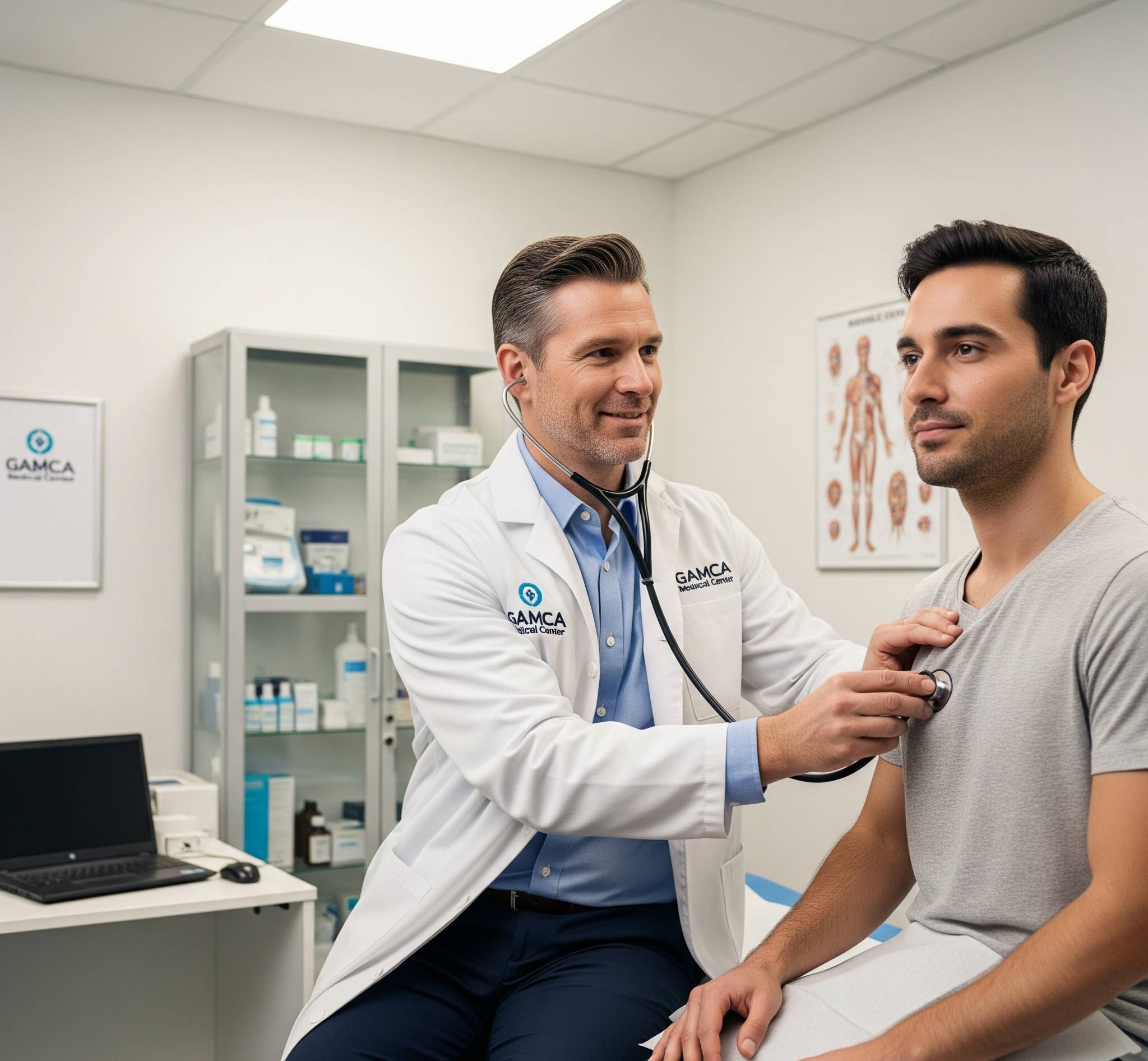

For most Gulf job applicants, the GAMCA medical test is seen as a mandatory step for visa approval. However, what many don’t realise is that the GAMCA medical report continues to play a role even after visa issuance, particularly in how employers structure and manage employee health insurance.
Across GCC countries, employers rely on medical data not only for compliance but also for risk assessment, insurance planning, and workforce health management. Understanding this connection can help applicants better prepare for long-term employment in the Gulf.
What Is a GAMCA Medical Report and Why Does It Matter to Employers?
A GAMCA medical report, issued under GAMCA, confirms whether a candidate meets the health standards required for working in GCC countries.
While the primary purpose is immigration clearance, employers also use this report as:
- A baseline health record
- A screening tool for potential health risks
- A reference for insurance eligibility
This makes GAMCA reports valuable beyond just visa processing.
The Link Between GAMCA Medical Reports and Health Insurance
In many GCC countries, employers are legally required to provide health insurance coverage for employees. To manage costs and risks effectively, companies often consider the employee’s medical fitness status at the time of hiring.
Although employers do not always receive full medical details, the fit/unfit outcome and general medical clearance influence:
- Insurance enrollment decisions
- Type of insurance plan offered
- Risk categorization
This is where the GAMCA report becomes indirectly connected to insurance systems.
1. Risk Assessment for Insurance Providers
Insurance companies in the Gulf work closely with employers to evaluate potential health risks. A GAMCA medical fitness report helps:
- Identify high-risk individuals
- Estimate future healthcare costs.
- Decide coverage limits
For example:
- A “Fit” candidate with stable health is easier to insure
- Borderline health cases may lead to higher premiums or restricted coverage.
2. Determining Insurance Coverage Levels
Employers may offer different tiers of health insurance depending on:
- Job role
- Salary level
- Health risk profile
The GAMCA medical report can influence whether an employee:
- Receives basic coverage
- Qualifies for premium plans
- Requires additional health monitoring
This is particularly relevant in industries like construction, oil & gas, and manufacturing.
3. Managing Pre-Existing Conditions
While GAMCA screening filters out major communicable diseases, it may still identify:
- Early-stage chronic conditions
- Lifestyle-related health risks
Employers and insurers use this information to:
- Exclude certain conditions from coverage (in some cases)
- Introduce waiting periods
- Plan preventive health programs.
This helps companies manage long-term healthcare expenses.
4. Workplace Health and Safety Planning
Beyond insurance, employers use GAMCA reports to improve workplace safety by:
- Assigning suitable job roles based on health and fitness
- Reducing workplace injury risks
- Ensuring compliance with occupational health standards
For example, workers with respiratory concerns may not be assigned to high-dust environments.
5. Insurance Premium Cost Optimisation
Health insurance costs in the GCC are heavily influenced by workforce health profiles.
By using GAMCA medical reports, employers can:
- Negotiate better insurance premiums.
- Reduce claim ratios
- Maintain a healthier workforce.
A workforce with consistent GAMCA medical fitness often results in lower overall insurance costs for the company.
6. Supporting Long-Term Employee Health Monitoring
Some employers go beyond basic compliance and use GAMCA reports as a starting point for:
- Annual health checkups
- Wellness programs
- Preventive healthcare initiatives
This ensures employees remain fit not just at entry, but throughout their employment period.
7. Confidentiality and Ethical Use of GAMCA Data
It’s important to note that:
- Employers typically do not access full medical details.
- Only necessary information is shared for compliance.
- Medical confidentiality is maintained under regulatory frameworks.
This ensures that employee privacy is protected while still enabling effective insurance planning.
Why This Matters for GAMCA Applicants
Understanding how employers use GAMCA medical reports can help applicants:
- Take their health preparation more seriously.
- Avoid last-minute medical risks.
- Maintain long-term fitness
A good GAMCA report not only helps you secure a job but also ensures smoother access to health insurance benefits in the Gulf.
How to Improve Your Health Profile Before GAMCA
To ensure better outcomes for both employment and insurance:
- Maintain a balanced diet and an active lifestyle.
- Monitor chronic conditions like diabetes or hypertension.
- Avoid alcohol and unhealthy habits before testing.
- Get a pre-medical checkup done.
- Follow medical advice consistently.
For more detailed guidance on GAMCA medical preparation, report timelines, and health-related updates, you can also explore trusted resources like gamcamedicals.com.
Conclusion
The role of GAMCA medical reports extends far beyond visa approval. Employers across GCC countries use these reports as a foundation for health insurance planning, risk management, and workforce well-being.
By understanding this connection, applicants can approach the GAMCA process not just as a requirement but as an opportunity to build a strong health profile for long-term success in the Gulf.