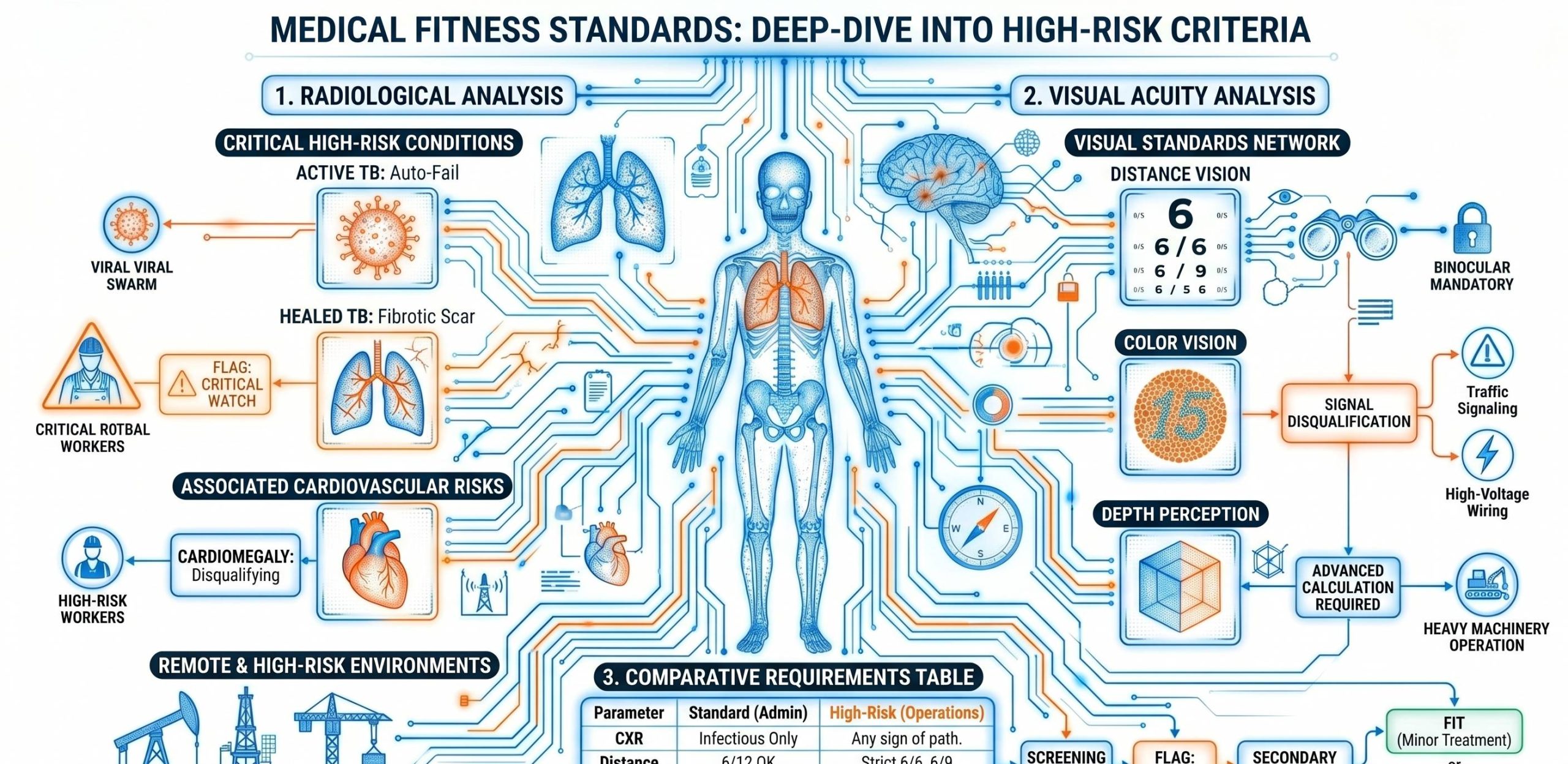

The GAMCA (Gulf Approved Medical Centres Association) medical test is mandatory for individuals seeking employment or residency in GCC countries, including Saudi Arabia, Kuwait, Oman, Bahrain, Qatar, and the UAE. If an applicant is declared UNFIT, it doesn’t always mean the journey ends there—many cases qualify for a retest or appeal. Understanding the process can help you avoid delays and improve your chances of getting a FIT status.
1. When Can You Apply for a GAMCA Retest or Appeal?
You may be eligible for a retest or appeal if:
- You believe the medical center made an error in diagnosis.
- You have already undergone treatment for the medical issue highlighted.
- You suspect the unfit decision was incorrect or based on misinterpretation.
- You tested positive for conditions like TB scars, Hepatitis, or high blood pressure—but have medical proof showing you are fit.
Note: Not all cases qualify for appeal. Some GCC countries are stricter depending on the medical condition.
2. Step-by-Step Process to Apply for a GAMCA Medical Retest
Step 1: Contact the Original Medical Center
Reach out to the GAMCA-approved center where you took your test. Many issues can be clarified directly.
Step 2: Request a Re-evaluation Letter
If the center agrees that your case needs rechecking, they will guide you on the documentation needed for a retest request.
Step 3: Gather Supporting Medical Reports
You must arrange updated medical files, such as:
- X-rays
- Blood reports
- Specialist doctor certificates
- Treatment proof (if applicable)
These documents should be recent and authentic.
Step 4: Apply Through the GAMCA Portal
- Visit the Gamca website.
- Enter your passport number and slip number.
- Check your medical status.
- Look for the “Appeal” or “Retest” option if available for your case.
If the system allows a request, you can proceed digitally.
Step 5: Pay Any Required Fees
Retest or appeal fees vary depending on the country and the medical center. Payments are generally non-refundable.
Step 6: Wait for Approval
You will receive confirmation via email or the Gamca portal. Approval is mandatory before taking a fresh test.
Step 7: Attend the Retest
Once approved:
- Visit the assigned center.
- Bring your original passport and previous medical slip.
- Submit supporting documents.
After completion, your new report will be uploaded to the gamca portal.
3. Appeal Process Through the GCC Embassy
If the medical center rejects your retest request, you can file an appeal through the GCC embassy or consulate of the country to which you are applying.
Steps:
- Prepare a written appeal letter.
- Attach all medical evidence and copies of your previous GAMCA slip.
- Submit your appeal at the consulate.
- Wait for their review – this may take a few days to several weeks.
Some embassies grant a special approval known as a “Waiver”, after which a retest becomes possible.
4. Common Reasons for UNFIT Status (Where Retest is Possible)
- Old or healed TB scars
- Minor abnormalities on X-ray
- Temporary high blood pressure
- High blood sugar that can be controlled
- Hepatitis B (if non-reactive surface antigen after treatment)
- Minor vision or hearing issues
5. Tips for Improving Your Chances in a Retest
- Carry all treatment and recovery documents.
- Use a government hospital or a specialist for supporting reports.
- Ensure all reports are recent—preferably less than 2 weeks old.
- Avoid retesting until your medical condition is genuinely improved.
- Maintain transparency; fabricated reports can lead to permanent bans.
6. How Long Does a GAMCA Retest Take?
- Retest approval: 2–10 days
- Retest appointment: Same day or within a week
- Updated medical status: 24–48 hours after testing
7. Final Outcome: FIT or UNFIT
After the retest, the final decision uploaded on the Gamca portal is considered binding. If you find FIT, you can proceed with visa stamping. If UNFIT again, you may need to wait 6 months to 1 year, depending on the condition and GCC rules.