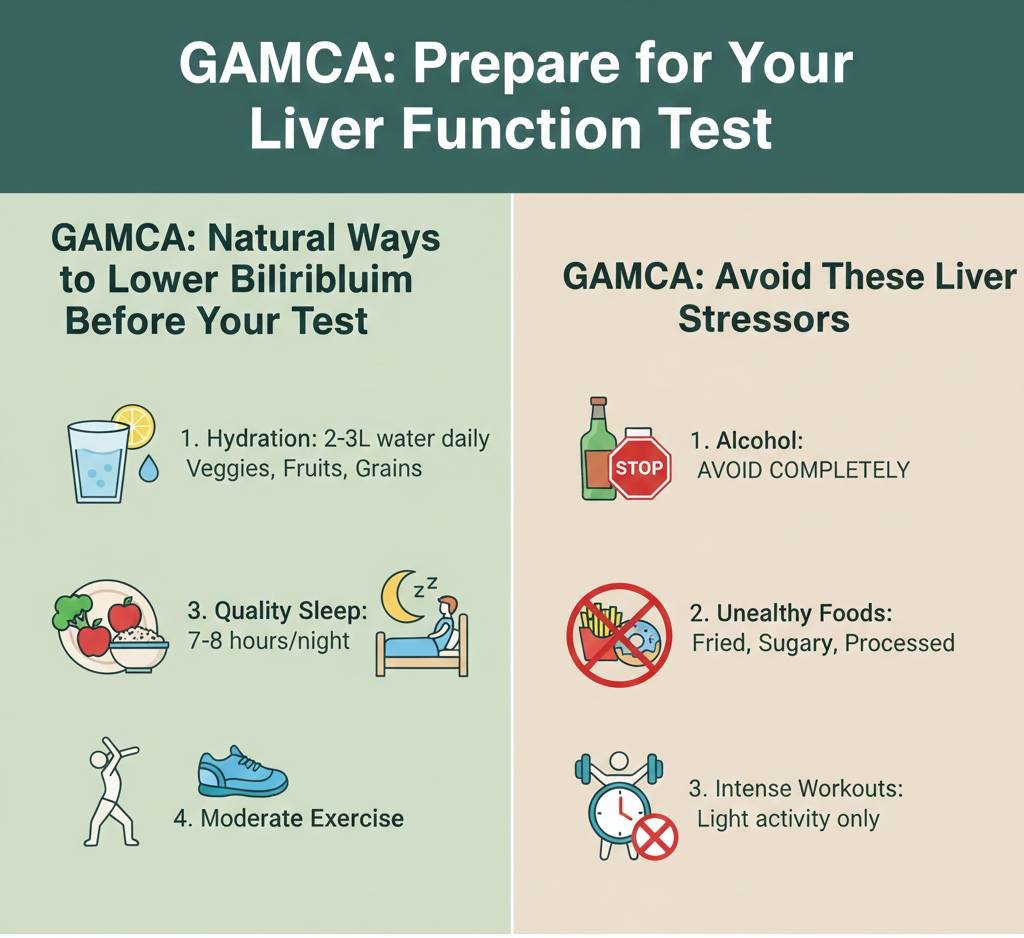

To ensure your GAMCA medical test results are as accurate as possible and to avoid any unnecessary red flags, it’s wise to be mindful of your diet in the 48 hours leading up to your appointment. Certain foods can temporarily skew test results, potentially leading to re-tests or even an “Unfit” status.
Here are 7 foods and food groups you should ideally avoid 48 hours before your GAMCA medical exam:
1. High-Fat Foods (Fried Foods, Fast Food, Fatty Meats)
Why avoid: These can significantly elevate your cholesterol and triglyceride levels. While your usual levels might be healthy, a spike from a greasy meal can push them into an undesirable range on the test, especially if a fasting blood test is performed.
- Examples: French fries, burgers, pizza, fried chicken, excessive red meat, creamy sauces.
2. Sugary Foods and Drinks (Sodas, Candies, Desserts, Fruit Juices)
Why avoid: A high intake of sugar can temporarily raise your blood glucose levels. This is especially critical if you’re undergoing a fasting blood sugar test, as elevated levels could be misinterpreted as pre-diabetes or diabetes.
- Examples: Soft drinks, energy drinks, cakes, pastries, candies, overly sweet fruit juices (even “natural” ones if consumed in large quantities).
3. Alcohol
Why avoid: Alcohol consumption can affect your liver function tests (LFTs), raise triglyceride levels, and dehydrate you. It can also impact the accuracy of urine tests. Ideally, abstain for at least 72 hours, but definitely avoid it for 48 hours.
- Examples: Beer, wine, spirits, cocktails.
4. Excessive Salt/Sodium (Processed Snacks, Canned Foods)
Why avoid: High sodium intake can lead to temporary fluid retention and elevated blood pressure. While the medical exam will take your actual reading, a temporary spike can raise concerns.
- Examples: Salty chips, processed deli meats, canned soups, frozen dinners, heavily salted restaurant food.
5. Highly Spiced or Acidic Foods
Why avoid: While not directly affecting blood tests, very spicy or acidic foods can sometimes cause temporary digestive upset or affect the pH balance of your urine. This is more of a precautionary measure to ensure comfort and standard urine results.
- Examples: Very hot curries, chili-heavy dishes, excessive citrus fruits (if prone to acidity).
6. Coffee and Caffeinated Beverages (Especially on the day of the test)
Why avoid: While a single cup might be fine, excessive caffeine can temporarily raise your heart rate and blood pressure. On the day of the test, it’s best to stick to water, especially if you have a morning appointment.
- Examples: Coffee, strong tea, energy drinks.
7. Foods Causing Dehydration
Why avoid: Dehydration can affect the concentration of your blood and urine samples, potentially making results less clear or causing abnormal readings.
- Examples: Anything that leads to excessive urination or fluid loss. Ensure you are well-hydrated with water in the days leading up to the exam.
Crucial Reminder:
- Fasting is Key: For most GAMCA appointments, you will be required to fast for 8-12 hours before your blood test (no food, only water). Confirm this with your specific medical center.
- Water is Your Friend: Drink plenty of plain water in the days leading up to your exam. This helps with overall hydration and can aid in urine sample collection.
- Stick to Plain, Balanced Meals: Opt for plain, home-cooked meals with lean proteins, vegetables, and whole grains.
By following these guidelines, you can help ensure your GAMCA medical exam goes smoothly and that your results accurately reflect your health status.